
Is a Torque Wrench Expensive? (Setting Price Expectations)
The short answer: it depends on what you’re buying and why.
Torque wrenches don’t live in one price bracket. They span from a $9 throwaway to a $10,000 industrial bolting system — and both numbers are real. Figure out where you fall on that spectrum. Then the “expensive” question gets a lot easier to answer.
Here’s how the market breaks down:
| Type | Typical Price Range | Best For |
|---|---|---|
| Beam | $20–$50 | Occasional, low-stakes use |
| Click | $30–$150 | General automotive work |
| Digital/Electronic | $100–$400 | Precision-sensitive tasks |
| Dial | $250–$700 | Visual verification, lab-level accuracy |
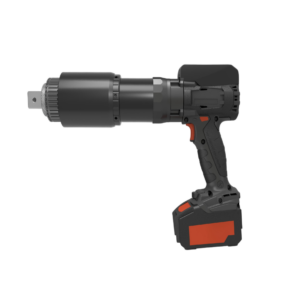
| Industrial Electric | $3,000–$10,000+ | Wind turbines, heavy assembly |
What Price Buys You
Accuracy — but not in a straight line.
EngineLabs tested a $9 wrench and found it hit 112 ft-lb when set for 100 ft-lb. That’s a 12% overshoot. On cylinder head bolts or suspension components, that kind of margin causes real damage. The variance at 100 ft-lb averaged 5.6 ft-lb off target. Those are bad numbers.
Move up to the $80–$120 range — a standard 1/2″ click wrench covering 20–250 ft-lb — and consistency gets noticeably better. Mid-range tools hold ±3–4% when new. Premium brands like Snap-On in the $300–$800 range hold ±2–3% even after 1,000 cycles.
That gap matters more as your work gets more demanding.

A Simple Budget Framework
- Under $50 — beam or entry click wrench; treat it as a consumable, not a precision instrument
- $50–$120 — solid mid-range territory; accurate enough for tires, brakes, and most engine work
- $120–$300 — better build quality, finer adjustment, often comes with a calibration certificate
- $300–$800+ — professional daily-use tools; plan to recalibrate every 1–2 years at $40–$80 per service to keep them in spec
- $3,000–$10,000+ — industrial electric systems for critical bolting work where joint failure costs far exceed the tool price
One reference point worth noting: a used Snap-On torque wrench selling for $75 gets called “dirt cheap” in enthusiast communities. It also needs recertification before you trust it. That tells you a lot about where new premium wrenches really sit in terms of value.
Expensive is relative. A $16 click wrench is expensive if it strips a $400 aluminum engine block. A $500 digital wrench is cheap if it prevents a fastener failure on safety-critical work.
Torque Wrench Price Ranges in the USA (From Cheapest to Professional-Grade)
Walk into any Home Depot and the shelf tags alone tell a story: $10 on the low end, $3,000 at the ceiling. That’s not a typo. The torque wrench market in America spreads across six distinct price tiers — and each one exists for a reason.
Here’s how they stack up.
Tier 1: Ultra-Budget ($10–$30)
The bottom of the market. These are basic beam or no-name click wrenches — unbranded imports for the most part. Advertised accuracy sits around ±4–6%. That number almost never gets verified by any outside source.
They cover 3/8″ or 1/2″ drive, with torque ranges of 10–150 ft-lb. Good enough for occasional, non-critical fasteners — drain plugs, garden equipment, jobs where a small margin of error costs you nothing.
Don’t expect precision. Don’t expect longevity.
Tier 2: Decent DIY ($30–$80)
This is where budget click wrenches start showing up with actual brand names. Tekton-type economy units run around $50 for a 1/2″ model. Basic case, simple locking collar, ±4% advertised accuracy.
Torque things a few times a year — seasonal tire swaps, brake jobs — and this tier gets the job done. Smaller shops also keep these around as backup tools they don’t mind replacing.
Tier 3: Mid-Range Prosumer ($80–$200)
This is the sweet spot for most people. Mainstream 3/8″ and 1/2″ click wrenches from recognizable brands land between $90–$180. Digital entry-level units start around $100–$200.
Take the Harbor Freight ICON 1/2″ split-beam — 40–250 ft-lb at $139.99. It lands right in this tier and holds up in reviews against tools that cost twice as much. Accuracy stays at ±3–4%. Warranties run one to five years. Plan to recalibrate every 12 months or 5,000 cycles.
This tier handles general automotive work with no fuss.
Tier 4: Entry Professional-Grade ($150–$400)
This is where serialized calibration certificates become standard. Brands like CDI, Proto, Matco, Mac Tools, and Snap-on fill this range.
The Snap-on QD1R200A — a 1/4″ drive adjustable click covering 40–200 in-lb — lists at $429. Snap-on 3/8″ drive clicks run $350–$500. Accuracy tightens to ±3% or better, and many tools carry NIST-traceable certification.
These tools are built for engine assembly and transmission work. OEM spec windows are tight in that territory, and mistakes aren’t fixable after the fact.
Tier 5: High-End Professional ($400–$750)
Premium digital torque-and-angle wrenches. High-precision dial tools. Top-line units from Norbar, CDI, and Snap-on.
A 1/2″ digital wrench in this range covers 25–250 ft-lb and runs $500–$800. You get features like peak/track modes, angle measurement, and data logging built in. Dial wrenches at this level hit ±1–2% accuracy — the kind of spec that aerospace work and performance engine builds actually require.
Most are IP-rated for shop environments. The rubber overmolds hold up through real, hard daily use.
Tier 6: Industrial and Calibration-Grade ($750–$3,000)
This isn’t weekend territory. Think Hydraulic Torque Tools with capacities reaching 1,000–6,000 ft-lb. Integrated torque testers. Large-capacity electronic wrenches built for wind energy, pipeline Flanges, and structural steel.
Accuracy sits at ±1–1.5% of reading. The buyers here are industrial plants, defense contractors, and calibration labs — not home garages.
Choosing Your Price Band: A Quick Decision Framework
Not sure which tier fits your situation? Work through this:
- Define your torque range. Passenger cars and light trucks need 10–250 ft-lb. That cuts out industrial gear right away.
- Assess criticality. Non-critical work: $20–$80. Standard shop use: $80–$200. Critical assemblies or certification work: $250–$700+.
- Count your drive sizes. A 3-pack economy set runs around $129. Three separate professional tools run $800–$1,500 combined.
- Budget for calibration. Professional tools need $30–$100 per wrench per year to stay in spec. In a busy shop, that works out to $0.10–$0.30 per use. That cost is real. Factor it in before you buy.
The right price point isn’t the lowest one you can justify. It’s the one that matches the actual stakes of the work.
What Does a Higher Price Buy You? (Accuracy, Features & Build)
Spend more, get more. That’s the promise. But with torque wrenches, the details behind that promise are worth knowing. The gap between a $30 tool and a $300 one isn’t just branding. It comes down to physics, metallurgy, and manufacturing tolerance — all stacked together.
Here’s what the money changes.
Accuracy: The Number That Matters Most
The biggest difference between a cheap torque wrench and an expensive one? How close it gets to the number you set — and how well it holds that number over time.
A $9 wrench overshooting 100 ft-lb by 12% isn’t a small problem. That’s a cracked head bolt. That’s a snapped stud. That’s a $400 repair bill from a $9 decision.
Here’s how accuracy improves as price goes up:
- Under $30 — Advertised at ±4–6%. Seldom verified. Real-world variance can hit 10–12% on cheap units.
- $80–$150 — Accuracy lands at ±3–4% on new tools. Solid enough for most automotive work.
- $300–$500 — Premium click and digital wrenches hold ±2–3% even after heavy use. Many include NIST-traceable calibration certificates — a document proving the tool was tested against a national accuracy standard.
- $500–$800+ — Dial and high-end digital wrenches reach ±1–2%. That’s the range aerospace assembly and performance engine builds need.
The accuracy gap doesn’t just appear on day one. Budget wrenches drift faster. A cheap click wrench may start at ±4% and creep to ±8% after a few hundred cycles. A Snap-on or Norbar tool holds its spec much longer. That’s why professional-grade wrenches come with recommended recalibration intervals of 12 months or 5,000 cycles — not “replace it when something feels off.”
Features: What Better Tools Include
Price doesn’t just buy tighter tolerances. It puts you in a different category of tool.
Entry-level wrenches ($20–$80) give you one thing: a click at the set torque. No frills. No confirmation. No data.
Mid-range wrenches ($80–$200) add better ergonomics, finer adjustment increments, dual-direction capability, and more durable locking collars. The range gets wider too — quality 1/2″ units in this tier handle 20–250 ft-lb with a single tool.
Higher-end wrenches ($200–$800) bring features that change how you work:
- Digital displays — real-time torque readout as you turn, not just a click at the threshold
- Peak and track modes — peak captures the highest torque applied; track shows live values throughout the turn
- Torque-and-angle measurement — essential for modern engine fasteners that use angle-based tightening specs (TTY bolts)
- Audible and vibration alerts — helpful in tight spaces where you can’t watch a display
- Data logging — select professional digital units record torque values for quality documentation and traceability
That last feature — data logging — is why high-end wrenches show up in production environments. A manufacturer needs proof that a fastener was torqued to spec. The wrench provides that record.
Build Quality: Where the Price Difference Lives in Your Hand
Pick up a $25 click wrench, then pick up a $400 one. You’ll feel the difference before you use either.
It’s not cosmetic. It’s structural.
Higher-priced wrenches use:
- Hardened chrome vanadium or chrome molybdenum steel for the drive mechanism — materials that resist deformation under repeated high-load cycles
- Precision-machined internal components with tight tolerances, so the click mechanism releases at the same point every time
- Sealed internals — IP-rated on professional digital units, shielding electronics and ratchet mechanisms from oil, grit, and moisture
- Rubber overmolds and textured grip zones that hold up to full-time shop use without cracking or peeling after six months
Cheap wrenches use softer alloys and loose-tolerance internals. The click mechanism wears faster. The torque spring fatigues unevenly. The locking collar develops play. None of this shows up right away. It creeps in slowly — readings that drift, clicks that feel off, a tool that starts giving you bad numbers without any warning.
The calibration certificate is a build quality signal, not just paperwork. A wrench that ships with a serialized, NIST-traceable cert was tested on a torque analyzer before it left the factory — unit by unit. Budget manufacturers skip that step. It costs time and equipment they don’t put money into.
The Honest Summary
| What You Pay For | Budget ($20–$80) | Mid-Range ($80–$200) | Professional ($200–$800) |
|---|---|---|---|
| Accuracy | ±4–6%, unverified | ±3–4%, consistent | ±1–3%, certified |
| Features | Click only | Better range, dual-direction | Digital, angle, data logging |
| Build materials | Soft alloy, basic internals | Better steel, improved collar | Hardened alloy, sealed, IP-rated |
| Calibration cert | Seldom included | Sometimes included | Standard |
| Longevity | Replace in 1–3 years | 3–7 years with care | 10+ years with recalibration |
More money gets you real accuracy gains, added functionality, and materials that hold up to hard use. Whether that matters comes down to what you’re tightening — and what’s at stake if the number is wrong.
Are Cheap Torque Wrenches Good Enough for Your Needs?

The honest answer surprises most people: sometimes yes, sometimes no — and the line between those two outcomes is thinner than the price tag suggests.
Real bench test data makes this clear. EngineLabs ran several torque wrenches through an Intercomp Digital Torque Wrench Tester. The results don’t follow the logic most buyers expect.
Here’s what the numbers showed:
The $9 Pittsburgh Pro 1/2″ drive (#62431)
– At 35 lb-ft: 1.6 lb-ft off (4.6%) — outside its own ±4% spec
– At 60 lb-ft: 3.2 lb-ft off (5.3%) — outside spec again
– At 100 lb-ft: 5.6 lb-ft off (5.6%) — out of spec
– Worst single pull: 112 lb-ft on a 100 lb-ft setting — a 12% overshoot
That last number is the dangerous one. Try that on aluminum wheel studs or Cylinder head bolts. You’re not just a little over — you’re in component damage territory.
The $50–70 Craftsman CMMT99434 told a different story:
– At 35 lb-ft: 0.4 lb-ft off (1.1%)
– At 100 lb-ft: 4.0 lb-ft off (4%) — right at the edge of spec, not past it
– All readings stayed within advertised tolerance
Then it gets stranger. The Pittsburgh Pro 3/8″ drive — a $20–30 unit — delivered readings that would make premium tools nervous:
– At 25 lb-ft: 0.2 lb-ft off (0.8%)
– At 50 lb-ft: 0.2 lb-ft off (0.4%)
– At 70 lb-ft: 1.0 lb-ft off (1.4%)
EngineLabs’ conclusion from all this testing: “Brand and price did not correlate with accuracy in any reliable way.” Some cheap wrenches performed well. One ultra-cheap wrench was all over the place. The real variable wasn’t price — it was quality control.
A Project Farm–style YouTube test confirmed the same pattern. The test ran about a dozen wrenches at 50, 150, and 250 lb-ft — then repeated after 1,000 cycles. A budget model posted an average error of just 0.45 lb-ft at 250 lb-ft (0.18%). That beat several premium brands. A low-cost “Kooies” wrench finished second, and Snap-on was third at that test point. At 50 lb-ft, eight wrenches — a mix of cheap and expensive — produced zero errors above 2%.
The $40 Tekton 1/2″ click wrench is the clearest budget example. Rated for 10–150 lb-ft, it measured ~1% error at 100 lb-ft in independent testing — far better than its stated ±4% spec. It carries a 4.6/5 rating from 28,000+ Amazon reviews. For lug nuts and brake work, that’s a tool that earns its price.
Where Cheap Works — and Where It Doesn’t
Cheap is good enough for:
– Wheel lug nuts (80–110 lb-ft) — A ±4% error equals ±3–4 lb-ft. For most everyday drivers, that’s within acceptable OEM range. A verified $40–50 wrench handles this without question.
– Drain plugs, suspension bolts, general maintenance — Low criticality, wide tolerance windows. Budget tools belong here.
– DIY use under 200 cycles per year — A well-made budget wrench stored at minimum setting stays within spec for years at this pace.
Cheap is a real risk for:
– Engine internals — head bolts, rod bolts — OEM torque specs assume ±4% accuracy. A wrench that drifts to 10–12% high or low causes uneven clamping, gasket failure, and fastener yield. One bad pull ends the job.
– Low-torque precision work (below 10–15 lb-ft) — Budget 1/2″ wrenches are least accurate at the bottom 20% of their range. Use a 3/8″ or 1/4″ drive tool with the right range instead.
– High-cycle professional use (1,000+ cycles/year) — Cheap internals drift faster under heavy use. Recalibration and replacement costs add up fast.
The Practical Rule
Buying in the $30–70 range? Look for:
– Published spec of ±4% or better over the central 20–100% of the range
– At least two independent test points showing ≤±4% error
– User data with volume — 10,000+ reviews showing solid, consistent performance
Then test it. Any local calibration shop or tool truck with a torque tester can check it in two minutes. Average error should stay ≤±4%, and no single pull should exceed ±6%. That range is fine for general automotive work. See any outlier above ±10%? Pull it from critical jobs right away.
The community has settled on a clear favorite tier: Kobalt, Tekton, and mid-grade Craftsman earn “best bang for buck” ratings in Grassroots Motorsports and FestoolOwners forums. They stay close to ±4%, where cheaper Amazon and Harbor Freight units tend to produce mixed, unpredictable results.
A cheap torque wrench isn’t a bad choice by default. A $9 wrench is. The gap between $9 and $40 buys you something real: quality control you can count on.

How Much Should You Budget? A Practical Guide by User Type
Your use case decides your price point. That’s the whole answer — but it takes a few minutes to find where you land.
Four types of people buy torque wrenches in the USA. Each one has a spending ceiling that fits what they’re doing with the tool.
The Occasional Home Mechanic
Oil changes twice a year. Seasonal tire swaps. Maybe a brake job. You’re not building engines — you’re maintaining a car you depend on.
Budget target: $40–$80
A mid-grade click wrench in a 1/2″ drive covers everything you need. Tekton, Kobalt, and Craftsman show up in this range. Real-world accuracy stays inside ±4%. That’s enough for lug nuts and drain plugs. Don’t spend more than this. The extra features won’t get used.
The Serious DIY Enthusiast
Suspension rebuilds. Brake calipers. The occasional engine accessory job. You work on your own vehicles on a regular basis. You care whether the number on the tool matches what’s happening at the fastener.
Budget target: $80–$180
This is where the Harbor Freight ICON and comparable prosumer tools live. You get verified accuracy, a solid calibration baseline, and build quality that holds up past twenty uses without drifting. Plan for one recalibration every year or two — $40–$60 a visit — for any safety-critical work.
The Shade Tree Pro or Small Shop Mechanic
You torque fasteners every day. Head bolts. Transmission work. Jobs where a 10% overshoot means a cracked component and an angry customer.
Budget target: $150–$400
CDI, Proto, and entry-level Snap-on live here. NIST-traceable calibration certificates are standard. Accuracy reaches ±3% or better. These tools are investments, not consumables. Schedule recalibration every 12 months or 5,000 cycles — and stick to it.
The Professional Technician or Fleet Shop
High volume. Tight OEM spec windows. Real liability if something fails.
Budget target: $300–$800, plus $40–$100/year per wrench for calibration
Digital torque-and-angle wrenches with data logging belong here. You need a paper trail. You need angle measurement for TTY fasteners. You need a tool that holds ±2% after a year of hard use every single day. Snap-on, Norbar, and CDI fill this bracket. The annual calibration cost works out to $0.10–$0.30 per use in a busy shop. That’s not an extra expense — that’s the real cost of doing accurate work.
The Simple Version
| User Type | Recommended Spend |
|---|---|
| Occasional home use | $40–$80 |
| Active DIY | $80–$180 |
| Semi-pro / small shop | $150–$400 |
| Full-time professional | $300–$800 + calibration |
Match the tool to the work. Overspending won’t make you more precise. But underspending on a critical job will make you less safe — full stop.
Where to Buy a Torque Wrench in the USA
Five retailers handle most torque wrench sales in America. The price gap between them on the exact same tool can reach 10–30%.
Here’s where to look, and how to pay less at each one.
Auto Parts Chains
AutoZone carries the Duralast 3/8″ drive click wrench (5–80 ft-lb) for $39.99 with a limited lifetime warranty. That’s a solid starting point for light engine work. Online-only coupons take 10–20% off orders above $50. Combine “ship to home” pricing with an in-store promo and you shave another few dollars off.
O’Reilly and Advance Auto Parts run a similar setup. House-brand click wrenches sit in the $30–$80 range. Watch for parts bundle coupons — they drop $15–$25 off orders above $75.

Big-Box Home Centers
Home Depot’s torque wrench shelf spans $10 to $3,000 — Husky at the bottom, CDI and Milwaukee toward the top. Online pricing runs lower than the shelf tag more often than not. Order online, pick up in store, and you close that gap without paying shipping.
Lowe’s averages around $130, with the range running $63–$1,399. Kobalt wrenches hit clearance often and drop into the $40–$80 band. A new Lowe’s credit card unlocks 10% off your first purchase — worth timing with a bigger buy.
Harbor Freight
The ICON 1/2″ split-beam (40–250 ft-lb) lists at $139.99 and holds a 4.8/5 rating from close to 500 reviews. Independent video testing put it within ±0.5 ft-lb average error against Snap-on. That’s a real result, not a marketing claim.
Standard Pittsburgh wrenches at Harbor Freight run $20–$35. Most qualify for the 20% single-item coupon. ICON is sometimes excluded — check the coupon terms before you assume it applies. The Inside Track Club adds another 10–25% on select items, so it’s worth joining if you’re buying multiple tools.
Amazon and Walmart
The EPAuto 1/2″ click wrench lists at $55 but sells for ~$39 most of the time. Popular Mechanics named it a best value pick. Under $50, it’s the one to beat.
The GearWrench electronic torque wrench runs about $210 on Amazon — 12% less than buying direct from GearWrench’s site. The CDI Comfort Grip sits at $163 on Amazon and $161 at Walmart. Cross-checking both takes ninety seconds and can save real money.
Use CamelCamelCamel to set price alerts on specific models. Amazon Warehouse Deals discount open-box tools 15–30% — check there before buying new.
How to Pay Less
Three moves that hold up:
- Price-match at Home Depot or Lowe’s. Both stores match major Online Retailers. Pull up the live Amazon or Walmart price on your phone and show it at customer service. Stack that with a credit card discount and you’re looking at 5–15% off without coupons.
- Time your purchase. Harbor Freight runs 20% coupons on a steady rotation. AutoZone, O’Reilly, and Advance push seasonal codes on Labor Day and Black Friday — 15–25% off above a spending threshold is typical. Amazon Prime Day and Lightning Deals cut tool prices 15–40% for short windows.
- Don’t buy range you won’t use. Digital angle measurement and data logging add $100–$300 to the price tag. Doing lug nuts and brake work? Those features never get touched. A solid 1/2″ click wrench at $40–$80 handles standard automotive torque without the extra cost.
The Snap-on benchmark: their split-beam (15–300 ft-lb) lists at $790. That’s 4–6× what a CDI or ICON costs for the same real-world accuracy. Know what you’re comparing before you decide that number is the bar you need to clear.
Conclusion
Here’s the honest truth about torque wrenches: price matters less than fit.
A $30 wrench from Amazon handles bike repairs and furniture work with no trouble. A $150–$250 mid-range click-type gets you through serious DIY and weekend mechanic jobs. It handles the load without any struggle. Turning wrenches for a living? Spending $300+ isn’t excessive — the numbers just make sense.
The torque wrench market in the USA gives you solid options at every level. No need to overspend. But don’t underbuy either — the wrong tool creates more problems than it solves.
So here’s your next move: figure out your use case first. Then match a budget to it using the breakdown above. Check Amazon, check Home Depot, run a quick price comparison — deals are out there.
Buy the right tool once. Your bolts (and your sanity) will thank you.
