
Flanged connections are widely used in industrial piping and mechanical systems because they provide a reliable way to connect pipes, valves, pumps, and other equipment while allowing the connection to be disassembled when maintenance is required.
In heavy-duty industries, selecting the right flange is particularly important. Factors such as pressure, temperature, mechanical loads, vibration, corrosion, and installation conditions can all affect flange performance.
The SW14.5TI flange is one flange option designed for industrial applications where reliable and robust connections are required. But what is the SW14.5TI flange used for? Which industries can use it? And what should engineers consider before selecting this type of flange?
This article explains the potential applications of the SW14.5TI flange and provides practical considerations for industrial users.
What Is the SW14.5TI Flange?
The SW14.5TI flange belongs to the SW Series of industrial flange products. Like other flanged connection systems, its primary purpose is to provide a secure connection between two components while allowing the joint to be separated when inspection, repair, or replacement is required.
A typical flange connection consists of several components, including: Flanges; Bolts and nuts; Gaskets; Connected pipes or equipment
The flange transfers the load between the connected components while the bolts provide the required clamping force.
When selecting a SW14.5TI flange, users should verify the actual technical specifications, including dimensions, material, pressure rating, bolt-hole configuration, sealing requirements, and compatibility with the connected equipment.
What Applications Is the SW14.5TI Flange Used For?
The SW14.5TI flange can be considered for industrial applications where bolted flange connections are required.
Typical applications may include:
- Industrial piping systems
- Oil and gas facilities
- Petrochemical plants
- Power generation
- Mining equipment
- Heavy machinery
- Water treatment systems
- Process equipment
- Pumps and valves
- Pipeline maintenance
The main advantage of using a flange is that it creates a strong mechanical connection while still allowing technicians to disassemble the system during maintenance.
Can the SW14.5TI Flange Be Used in Mining?
Mining is one of the most demanding industrial environments. Equipment is often exposed to vibration, dust, moisture, heavy loads, abrasive materials, and continuous operation.
A suitable SW14.5TI flange may be used in mining applications when its technical specifications meet the requirements of the specific system.
For example, flanged connections may be found in:
Mining Pipelines
Mining operations frequently use pipelines to transport water, slurry, compressed air, and other process fluids.
Flanged connections can make these systems easier to install and maintain.
Pumps and Valves
Large mining pumps and valves may require bolted flange connections. During maintenance, technicians need to disconnect and reconnect these components safely and efficiently.
Mineral Processing Equipment
Processing plants contain numerous piping and equipment connections. Reliable flange joints can help reduce the risk of leakage and unexpected maintenance.
Hydraulic Systems
Some mining equipment relies on hydraulic systems for lifting, crushing, material handling, and other operations. Appropriate flanged connections may be used where the system design requires them.
However, the suitability of the SW14.5TI flange must always be confirmed according to the pressure, temperature, fluid, material compatibility, and applicable engineering standards of the actual application.
Why Is Flange Material Important?
Material selection plays an important role in flange performance.
Industrial flanges may be exposed to:
- Corrosive fluids
- High temperatures
- High pressures
- Mechanical loads
- Vibration
- Moisture
- Abrasive environments
A flange material should therefore be selected according to the working conditions.
For mining applications, corrosion and mechanical durability may be especially important. For chemical and petrochemical applications, chemical compatibility and temperature resistance may be critical.
The material should not be selected based only on price. A flange with appropriate material properties can provide better reliability and a longer service life.
Why Is Proper Flange Alignment Important?
Even a high-quality flange can experience problems if it is installed incorrectly.
Before bolts are tightened, the connected flange faces should be properly aligned.
Misalignment can result in:
- Uneven gasket compression
- Excessive stress on bolts
- Flange deformation
- Pipeline stress
- Leakage
- Difficult bolt installation
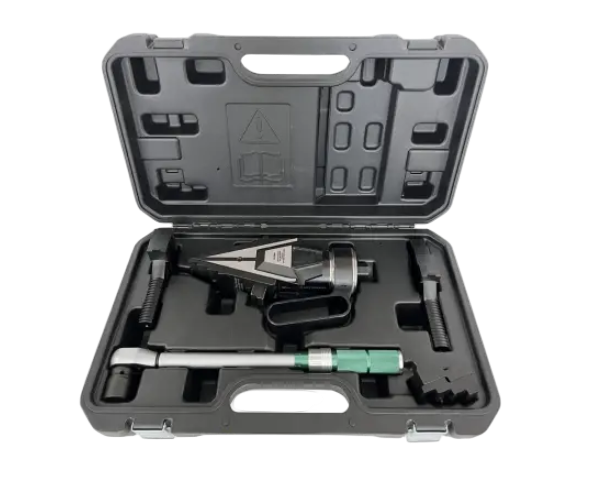
For large industrial systems, technicians may use specialized flange alignment tools to correct misalignment before final bolting.
This is particularly useful during pipeline maintenance and equipment replacement.
How Should the Flange Bolts Be Tightened?
After the flange is correctly positioned, the bolts need to be tightened according to the required procedure.
For small connections, conventional hand tools may be sufficient.
However, large industrial flange connections often require controlled hydraulic equipment.
A hydraulic torque wrench can apply a controlled torque value to the flange bolts. Another option is a hydraulic bolt tensioner, which applies direct axial force to the bolt to achieve the required preload.
Proper bolt preload is essential because insufficient or uneven tightening may cause leakage, while excessive tightening can damage the gasket, bolts, or flange.
SW14.5TI Flange Applications in Oil and Gas
Oil and gas facilities contain thousands of bolted connections.
Flanges can be found in:
- Pipelines
- Valves
- Pumps
- Pressure vessels
- Heat exchangers
- Compressor systems
- Processing equipment
In these applications, flange reliability is critical because leakage can result in safety hazards, environmental problems, and costly downtime.
For this reason, flange selection should be combined with proper installation, alignment, gasket selection, and controlled bolt tightening.
What Should You Check Before Buying a SW14.5TI Flange?
Before purchasing a SW14.5TI flange, engineers and buyers should confirm several key specifications.
1. Dimensions
Check the flange diameter, thickness, bolt-hole diameter, bolt-hole spacing, and overall dimensions.
2. Pressure Rating
Make sure the flange is suitable for the system’s maximum working pressure.
3. Temperature
Operating temperature can affect material performance and sealing reliability.
4. Material
Confirm that the flange material is compatible with the working fluid and environment.
5. Bolt Configuration
The bolt pattern must match the connected equipment.
6. Gasket Compatibility
The gasket should be suitable for the flange sealing surface and operating conditions.
7. Applicable Standards
Always verify that the flange meets the required project specifications and relevant industry standards.
Why Use Professional Flange Maintenance Tools?
Large flange connections can be difficult and time-consuming to maintain manually.
Professional tools can make the process more efficient.
For example:
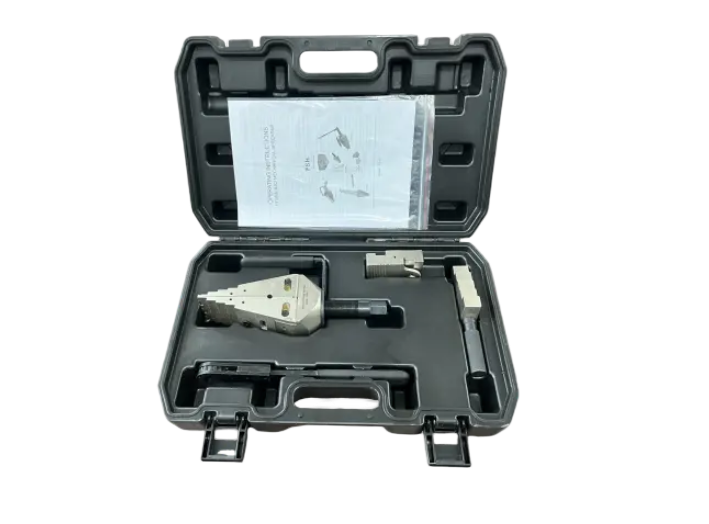
Flange alignment tools help correct flange misalignment.
Hydraulic flange spreaders can create a controlled separation between flange faces during maintenance.
Hydraulic torque wrenches provide controlled torque for large bolts.
Hydraulic bolt tensioners provide direct axial bolt loading for critical applications.
Together, these tools can create a more efficient flange maintenance system for industries such as mining, oil and gas, power generation, and petrochemical processing.
Conclusion
The SW14.5TI flange can be considered for a wide range of industrial applications where reliable bolted connections are required. Potential applications include mining, oil and gas, petrochemical processing, power generation, pipelines, pumps, valves, and heavy industrial equipment.
For mining applications in particular, the flange must be evaluated according to the actual operating conditions. Pressure, temperature, material compatibility, vibration, mechanical loads, flange dimensions, and applicable standards should all be considered before installation.
Selecting the right flange is only part of achieving a reliable connection. Proper flange alignment, gasket installation, and controlled bolt tightening are equally important.
By combining a suitable flange with professional flange alignment tools, flange spreaders, hydraulic torque wrenches, or hydraulic bolt tensioners, maintenance teams can improve installation efficiency and help achieve more reliable industrial bolted connections.
Before purchasing or installing a SW14.5TI flange, always confirm the technical specifications with the manufacturer or an experienced industrial flange supplier to ensure that the product is suitable for your specific application.
