
Industry-Proven reliable tools and On-site Engineering Services
Precision Hydraulic tool supplier: Engineered for Your Toughest Industrial Challenges
15+ Years of Expertise
Trusted by global industries with decades of hydraulic tool manufacturing experience.
German Engineering Precision
±3% tolerance accuracy and 99.9% qualification rate—exceeding international standards.
Hydraulic solutions
From torque wrenches to pumps and jacks—complete, customizable bolting systems.
Industry-Wide Applications
Proven performance in wind energy, automotive, petrochemical, and heavy industries.
Industrial hydraulic tool supplier
As an industrial hydraulic tools supplier, our complete in-house production facilities, rigorous quality control systems, and experienced engineering team ensure every hydraulic torque wrench, pump, jack and custom solution meets exact specifications for the most demanding industrial applications worldwide. With exports to 50+ countries and partnerships with leading energy, manufacturing, and mining companies, we deliver precision tools that industrial operations demand.




3000m² Research base and production factory
Engineering Tomorrow's industrial hydraulic Tools
Schmidt dedicates 30% of annual resources to R&D and technical training, self-developed technologies include research in pressure-torque control, hydraulic stability solutions, high-strength lightweight materials, and portable light-weight tool design. Founded to deliver precision industrial hydraulic tools to 50+ countries, we combine German engineering rigor with advanced manufacturing to empower industries globally.
At Schmidt, we innovate not for complexity, but for reliability—where every millimeter and torque must serve the hands that build our world. It’s a privilege to engineer tools that never compromise.
Powering Industries Worldwide
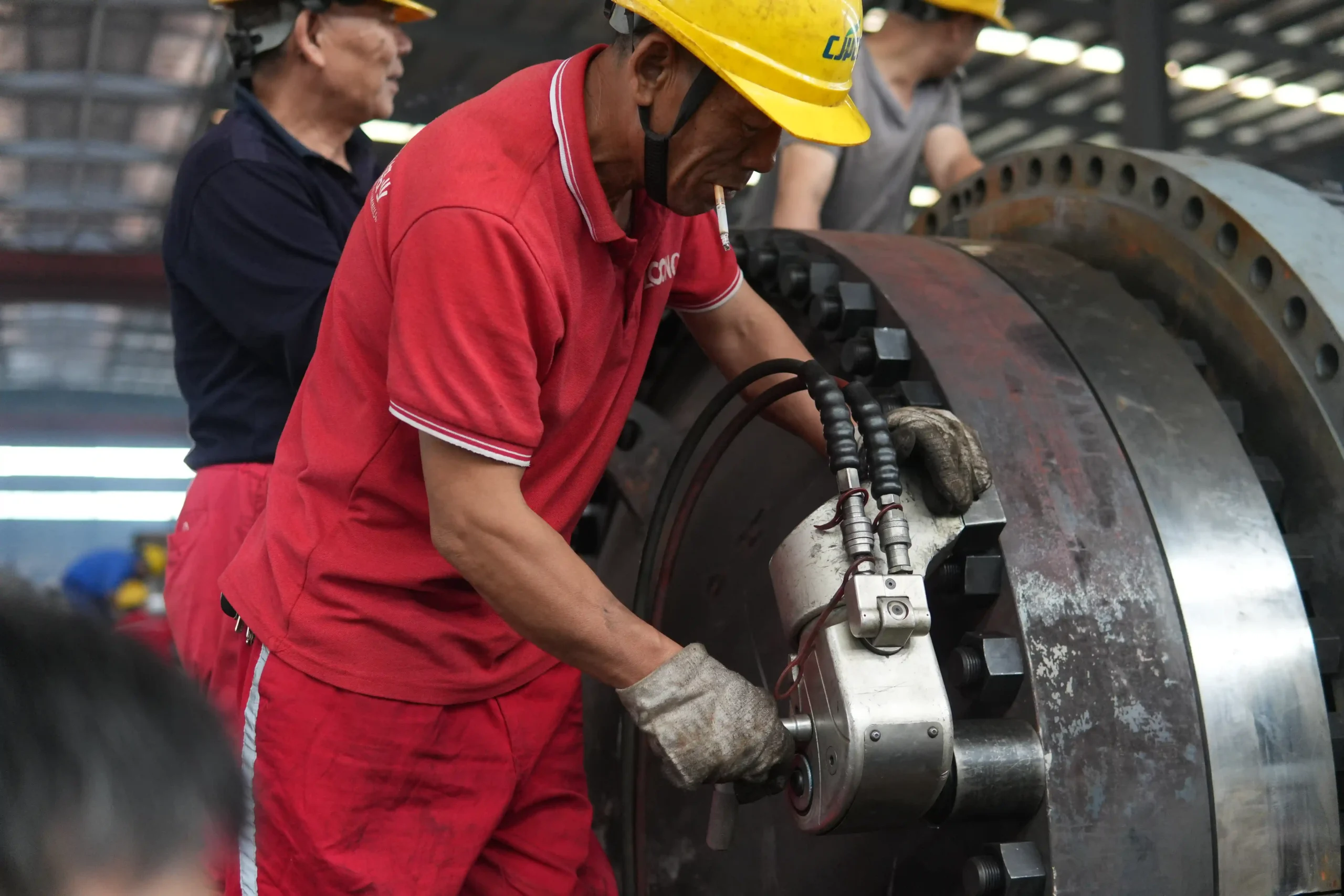
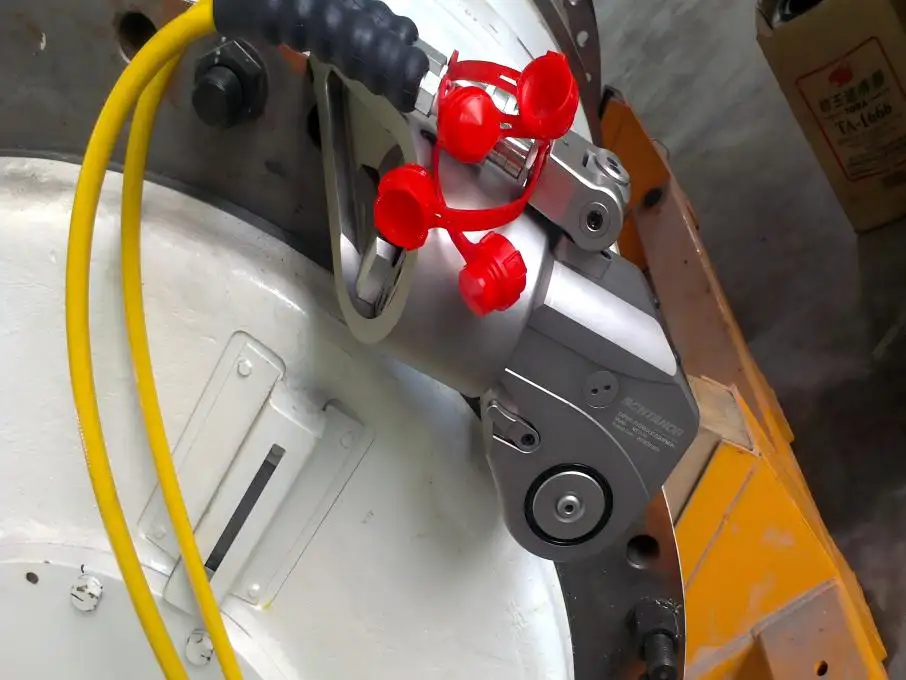
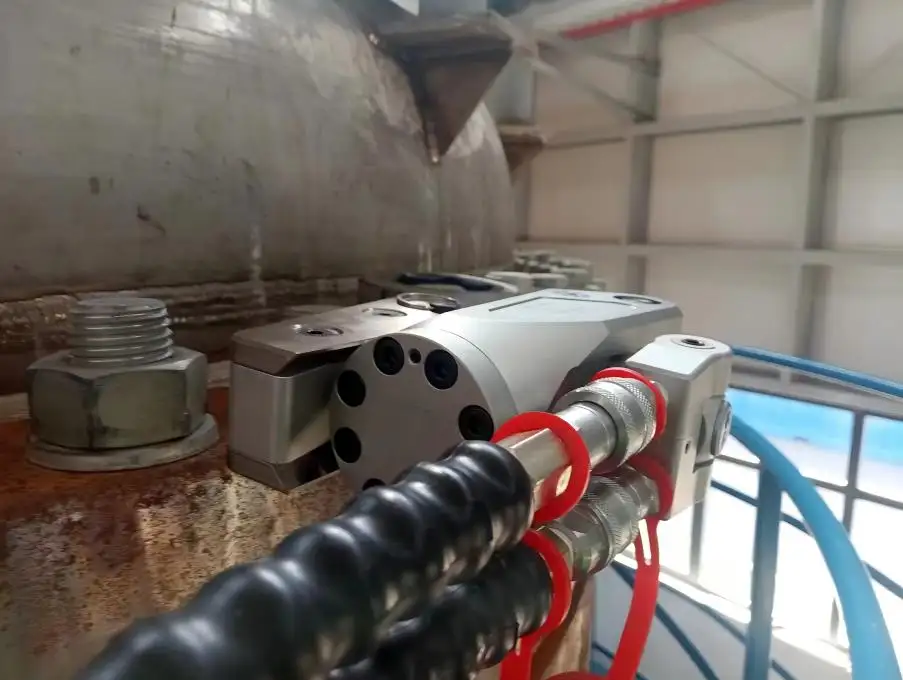
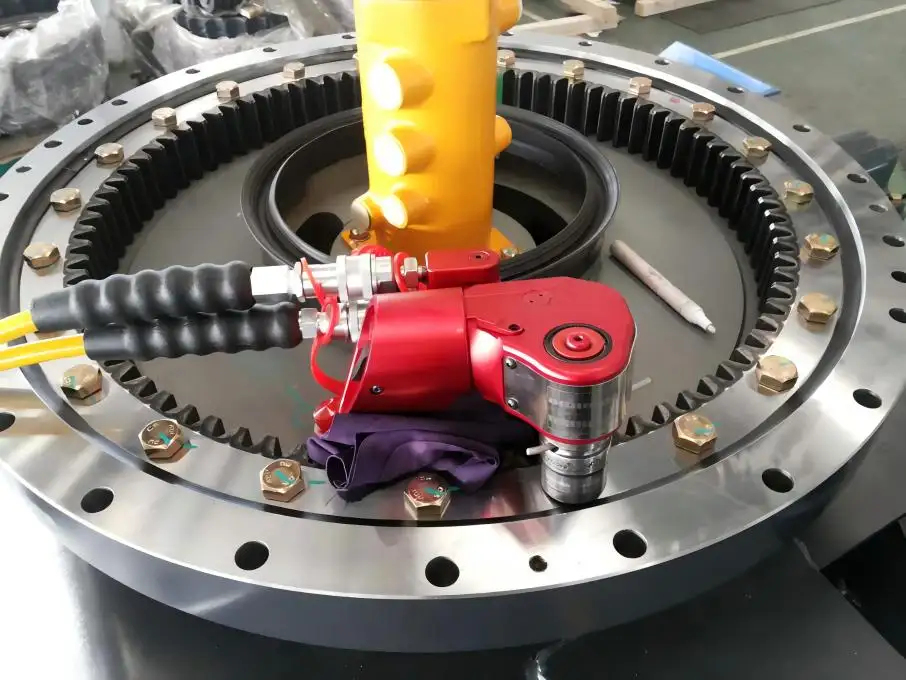
See how Schmidt hydraulic tools enable precision and reliability in bridge construction, wind energy, and heavy industry worldwide. These real-world photos showcase equipment performing under extreme conditions with unmatched durability.

First time trying international trade? No worries! We understand the courage it takes to trade abroad and we are committed to being more than just a supplier; we aim to be your dependable, human-centered trade partner. Feel free to contact us about your concerns!
Engineering Excellence
German engineering precision meets our Chinese R&D team. Over 30 self-developed technologies and backed by a 15-year 3000m² factory, we craft hydraulic tools from aerospace Al-Ti alloy with micron-level machining for extreme-pressure reliability, trusted by major industries worldwide.
factory price
Schmidt achieves 20% lower factory pricing on hydraulic tools through China’s manufacturing advantages: localized Baosteel materials avoid 18-25% import tariffs, 65% automation optimizes labor costs, and ≤200km vertical integration reduces logistics. These efficiencies allow premium quality at accessible prices.
GLOBAL trade
We ship globally in 72 hours for standard hydraulic tool models with fast delivery and bilingual support. All products carry CE/ISO 9001 certification. Secure B2B wire transfers or trusted banks and tailored tariff plan for every order ensure seamless, cost-effective sourcing for industrial clients worldwide.
We are looking for local distributors!
OEM/ODM
Frustrated by local monopoly pricing? Ready to enter the market but lack competitive products? Building your brand without factory support? Partner with Schmidt for factory pricing, OEM solutions, technical training, and certified tools to unlock your potential.
We solve the supply chain
you solve the local marketing
Maximize Profit, Minimize Cost, No Inventory risk
Break local monopoly pricing with our factory-direct tools. You gain 30% higher margins while offering customers premium quality at 40% lower prices – creating winning deals for both sides. No MOQ, expand your market free from inventory risks or cash flow pressure.
Build Your Brand, Powered by Our Supply Chain
Whether selling under the Schmidt brand or creating your own line, our reliable supply chain ensures you never miss a sales opportunity. Combined with your local marketing, this powerful partnership accelerates market entry and brand growth.
Total Technical Support – Ready for Any Scenario
If you already service hydraulic equipment locally, we’ll seamlessly integrate with your operations. If you’re just starting, our engineers provide hands-on training to build your team’s expertise. Together, we ensure your customers receive prompt, reliable support.
Unshakable Supply Chain – Your backup for Growth
With abundant inventory, consistent quality, and 15+ years of supplier partnerships, our certified supply chain delivers absolute stability. Backed by complete international certifications, we provide the solid foundation you need to confidently expand your local market presence.
Worldwide Collaboration, Engineered for Reliability
Global Partnership Excellence: trustable hydraulic tool supplier
With over 5 years of specialized export experience, Schmidt has established long-term partnerships with 60+ international enterprises across 50+ countries. Our deep expertise in global certifications (CE/IAF/IAS) and customs compliance ensures seamless market entry worldwide. We maintain a 99.7% on-time delivery rate and have successfully deployed 2000+ hydraulic tools to critical infrastructure projects from German wind farms to Middle Eastern oil fields. Our supply chain resilience guarantees 12-hour emergency support for all overseas clients, backed by multilingual technical teams operating across 15 time zones. Today, we are proud to say that Schmidt is one of the biggest hydraulic tool supplier worldwide.
Collaborating global enterprises by providing expert technical guidance for hydraulic solutions, ensuring optimal performance.
hydraulic tools delivered to diverse industry sites with expert technical guidance ensuring safe and efficient operation.
hydraulic tool Factory and Production Capacity
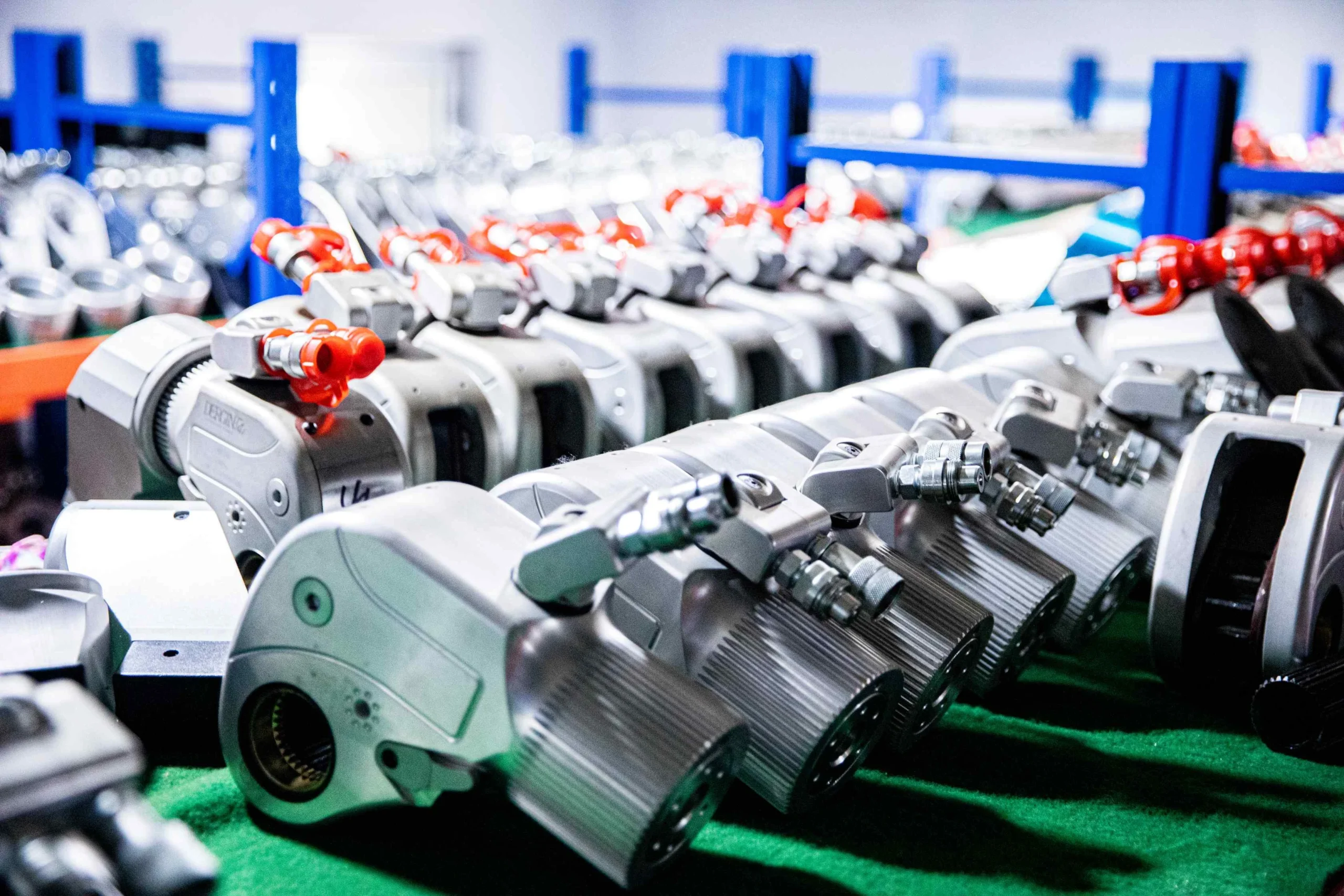
Established in 2014, our 3,000㎡ Huzhou hydraulic tool factory employs 40+ skilled workers and features automated metal processing machine, precision hydraulic calibration tools, and rigorous packaging systems—producing 2,000+ high-quality hydraulic tools and equipments annually. Ensuring Schmidt to be the world’s leading hydraulic tool supplier.
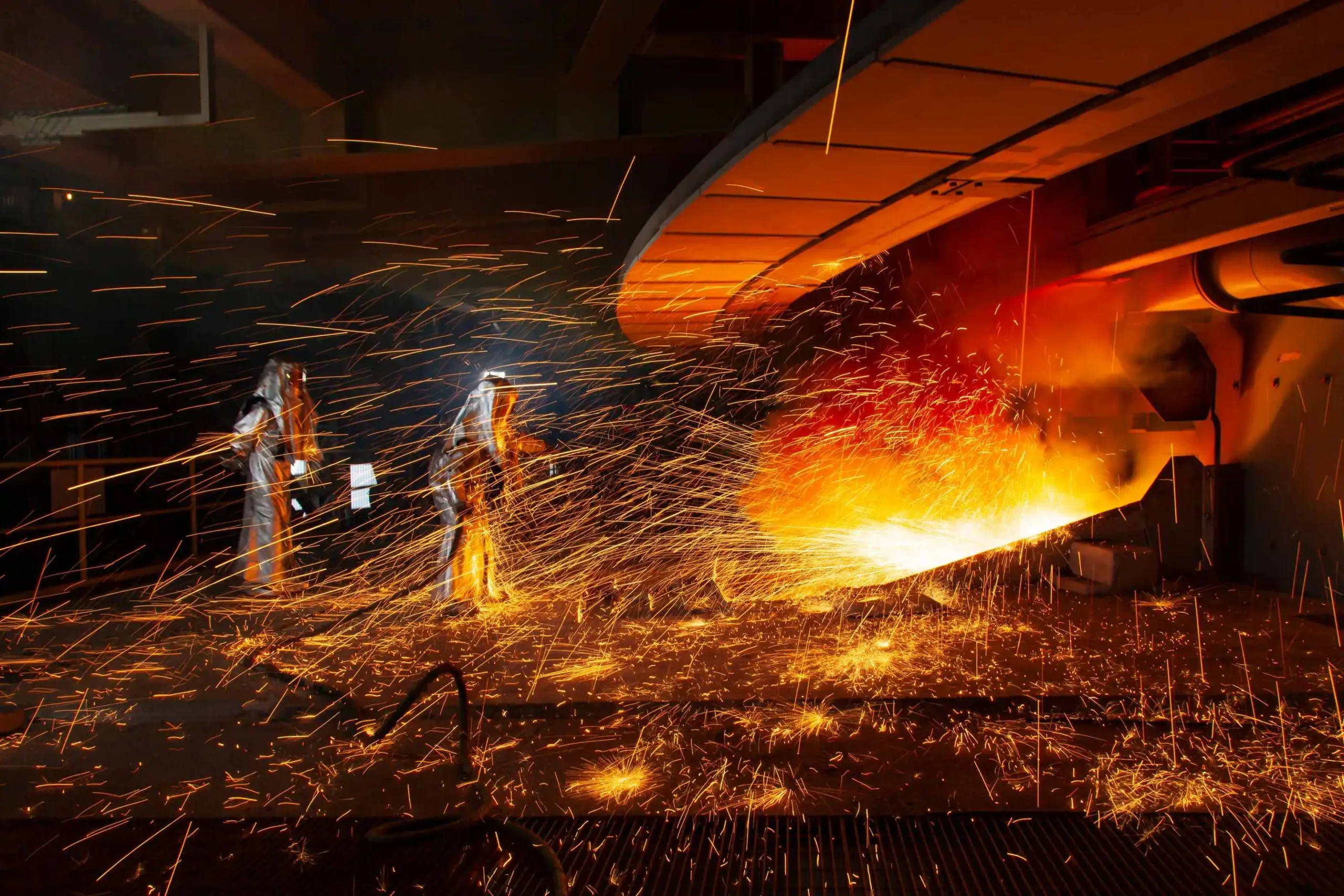
sourcing materials
As a leading hydraulic tool supplier, we partner exclusively with Baowu Group and Xiwu Group, sourcing aerospace-grade alloys and high-tensile steel. Our decade-long strategic alliances ensure 99.97% material traceability and zero supply disruptions since 2015, guaranteeing exceptional corrosion resistance, superior strength, and extended tool lifespan while maintaining consistent quality from raw materials to finished products.
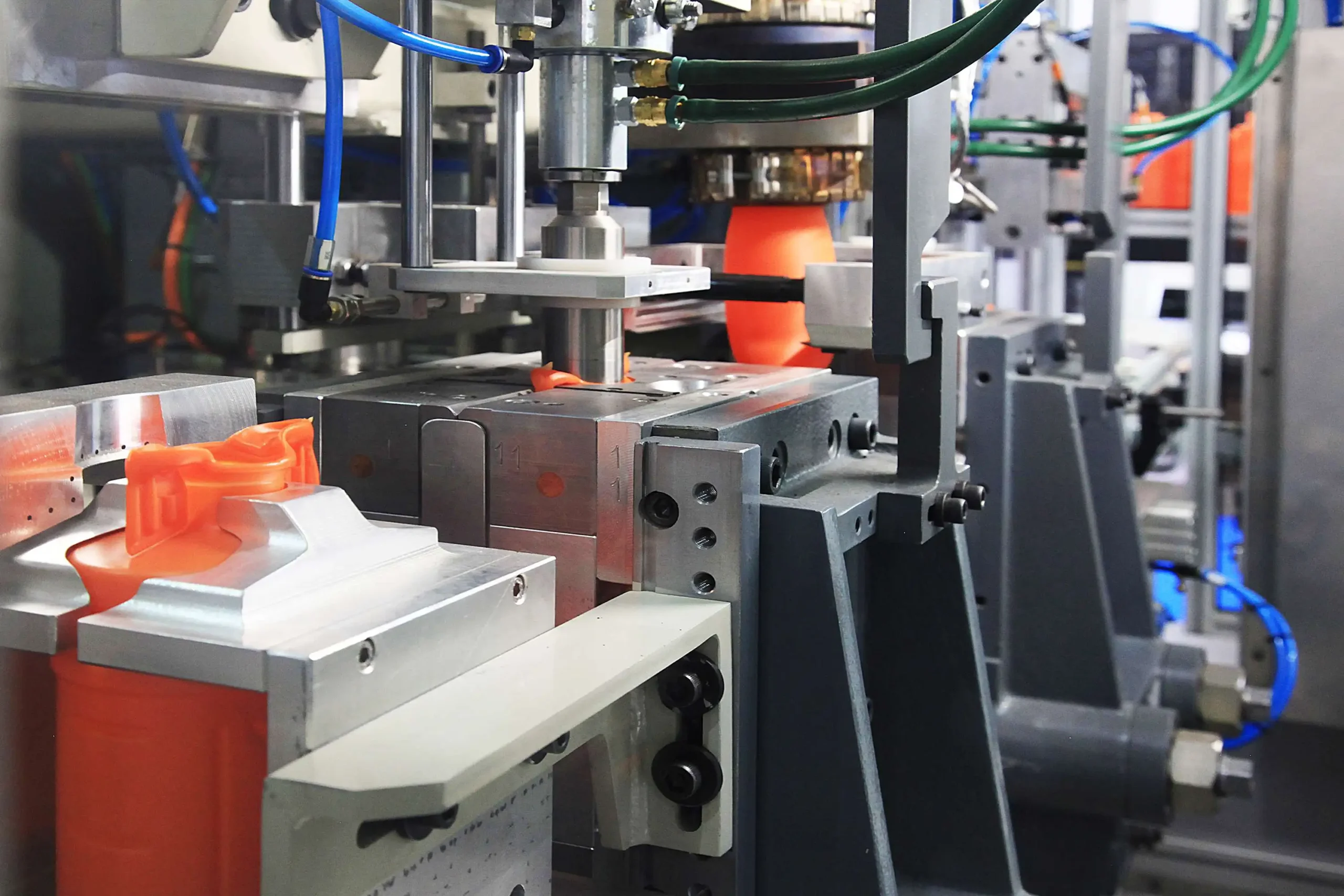
Production line
As a precision hydraulic tool supplier, Schmidt employs CNC machining (±5μm tolerance) and laser-calibrated assembly to ensure ±3% torque accuracy and 98% repeatability. Each hydraulic tool undergoes triple-stage validation with AI-assisted scanning, while advanced control systems and high-strength materials guarantee reliability in extreme environments. Our integrated manufacturing delivers uncompromised performance for industrial applications.
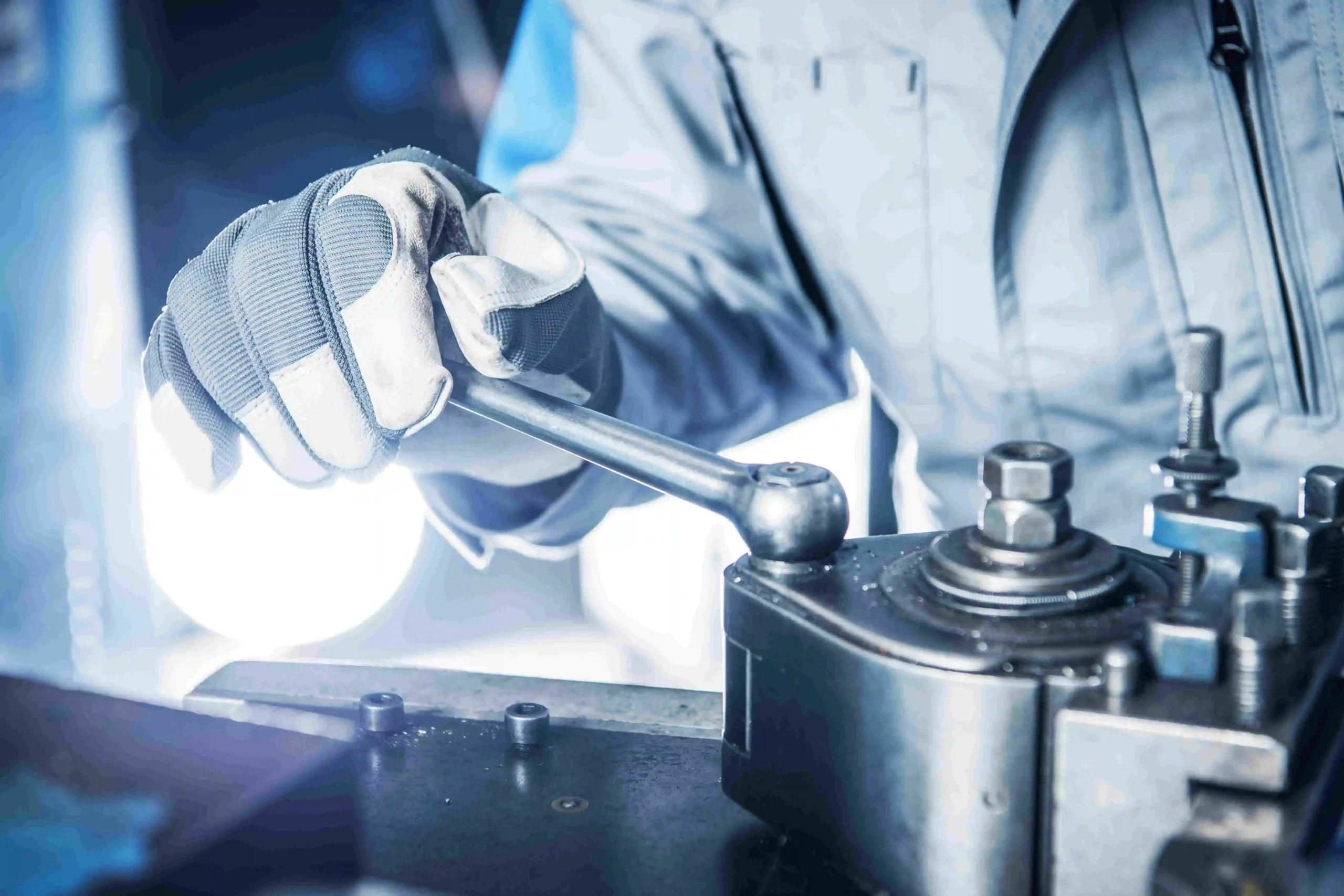
quality control
As a precision hydraulic tool supplier, Schmidt implements rigorous quality control with ±5μm machining, ±0.5% calibrated assembly, and triple-stage torque validation. Each tool undergoes 20+ checks including pressure cycling and leakage tests, achieving 99.8% field reliability. With full digital traceability, ISO 9001 certification, 1-year warranty, and AI-assisted detection, we ensure uncompromised performance and trust in every product.
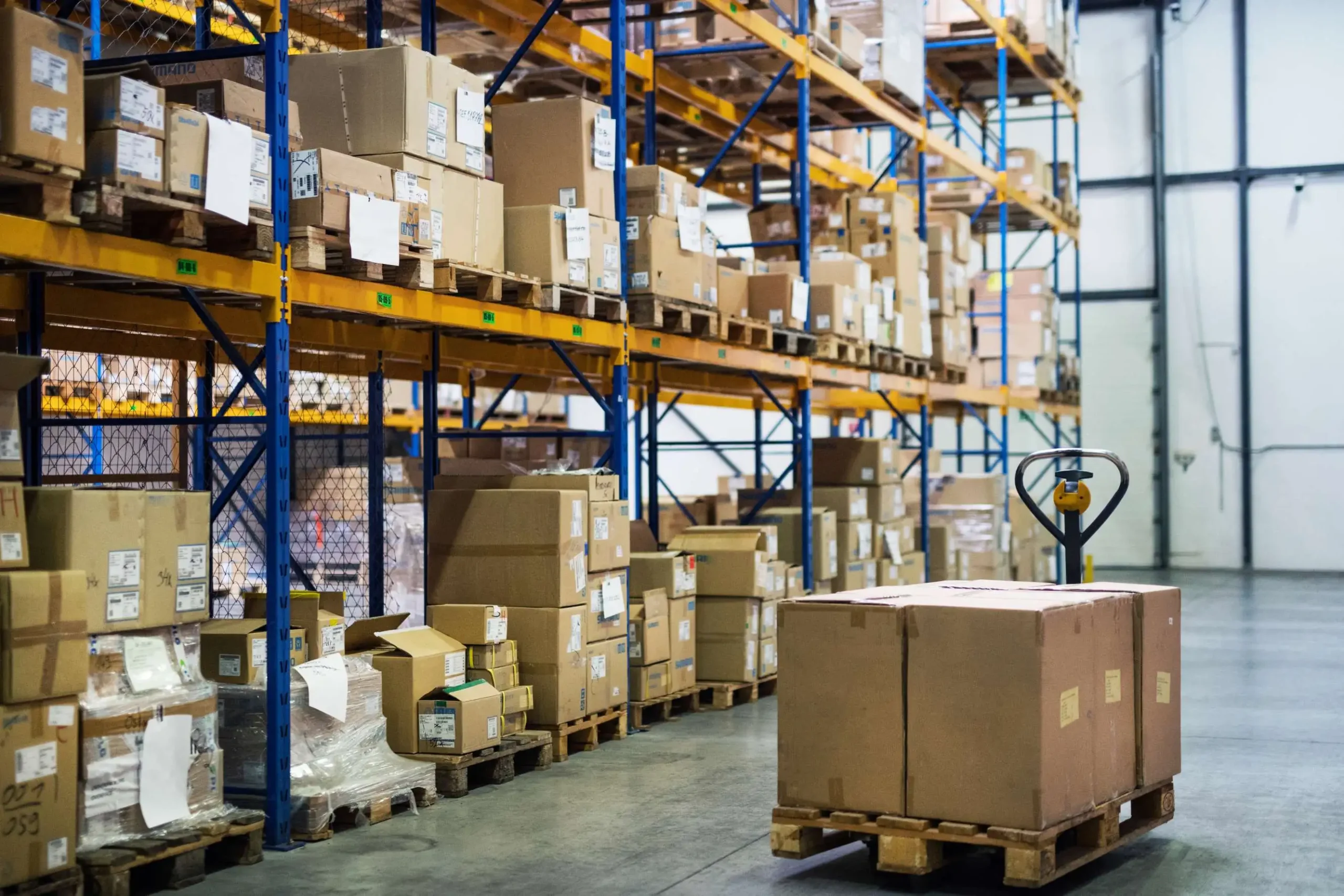
inventory
As a modern hydraulic tool supplier, Schmidt’s AI-driven warehouse with automated storage systems ensures 98.5% inventory accuracy and 72-hour global dispatch on standard model. Our real-time WMS provides complete visibility, while all tools undergo pre-shipment inspections including functional, corrosion, and pressure checks. Climate-controlled storage and predictive maintenance guarantee reliable supply chain operations for industrial distribution.
Talk to an expert
Our global quality certifications
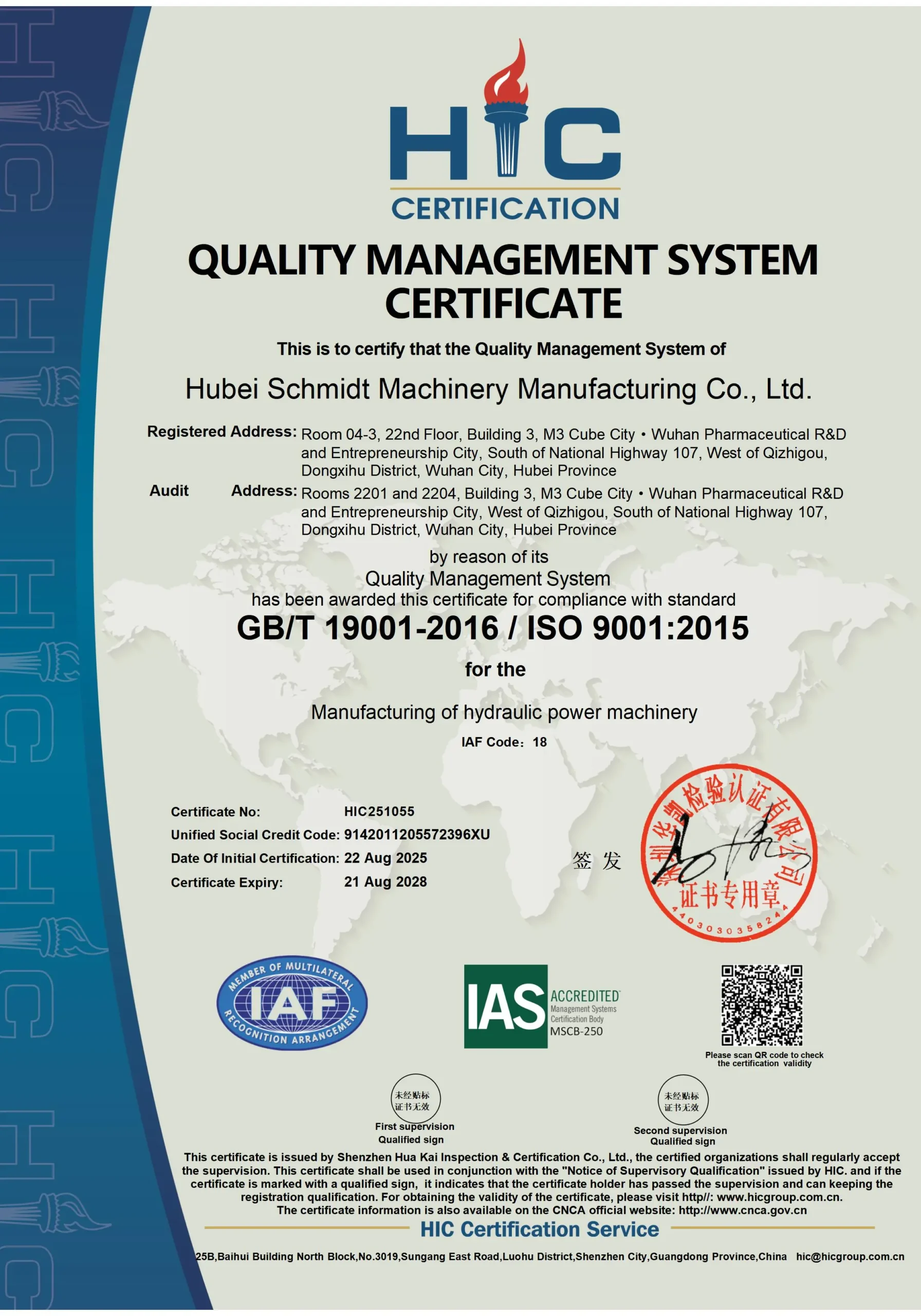
ISO
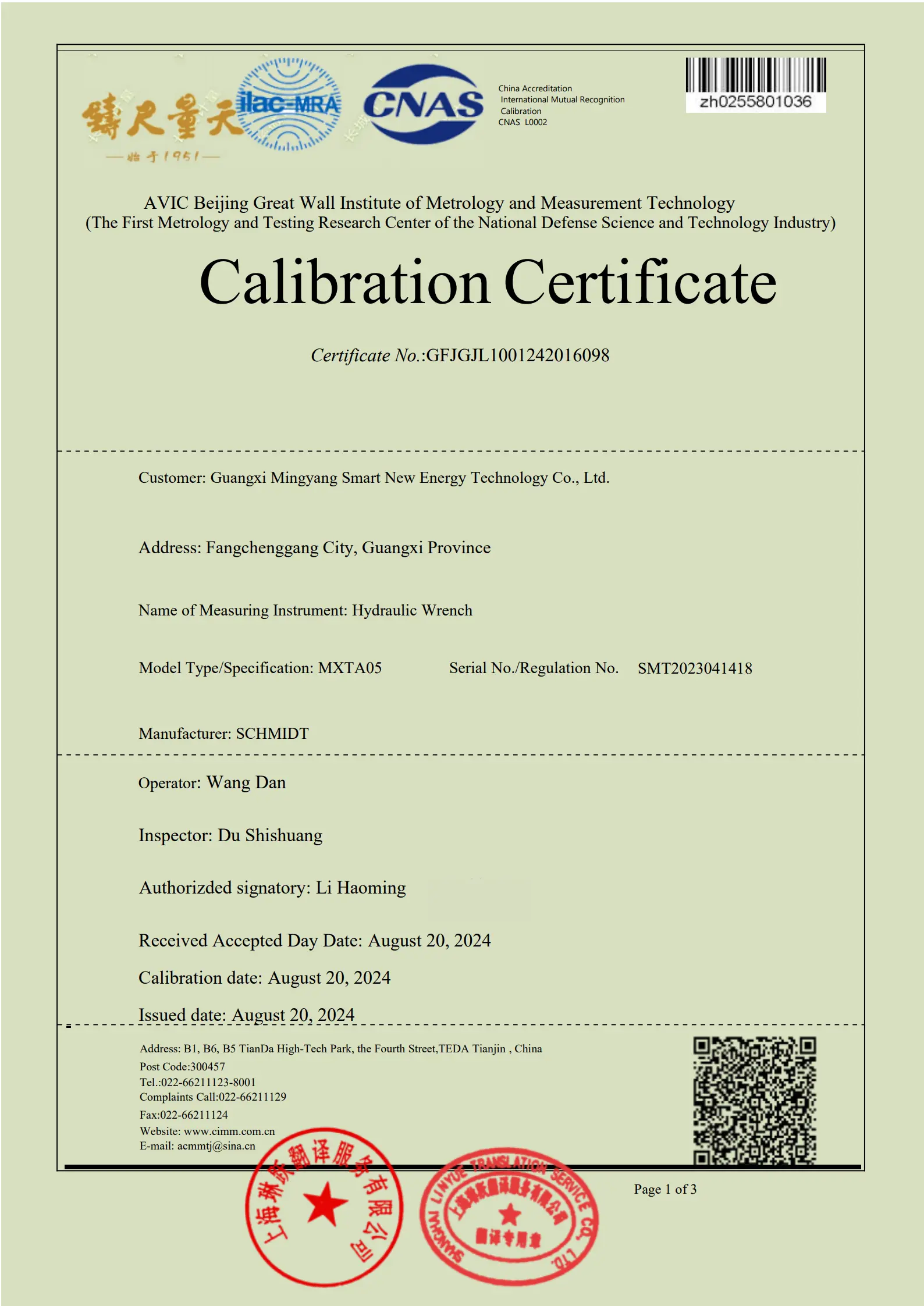
Calibration Certificate
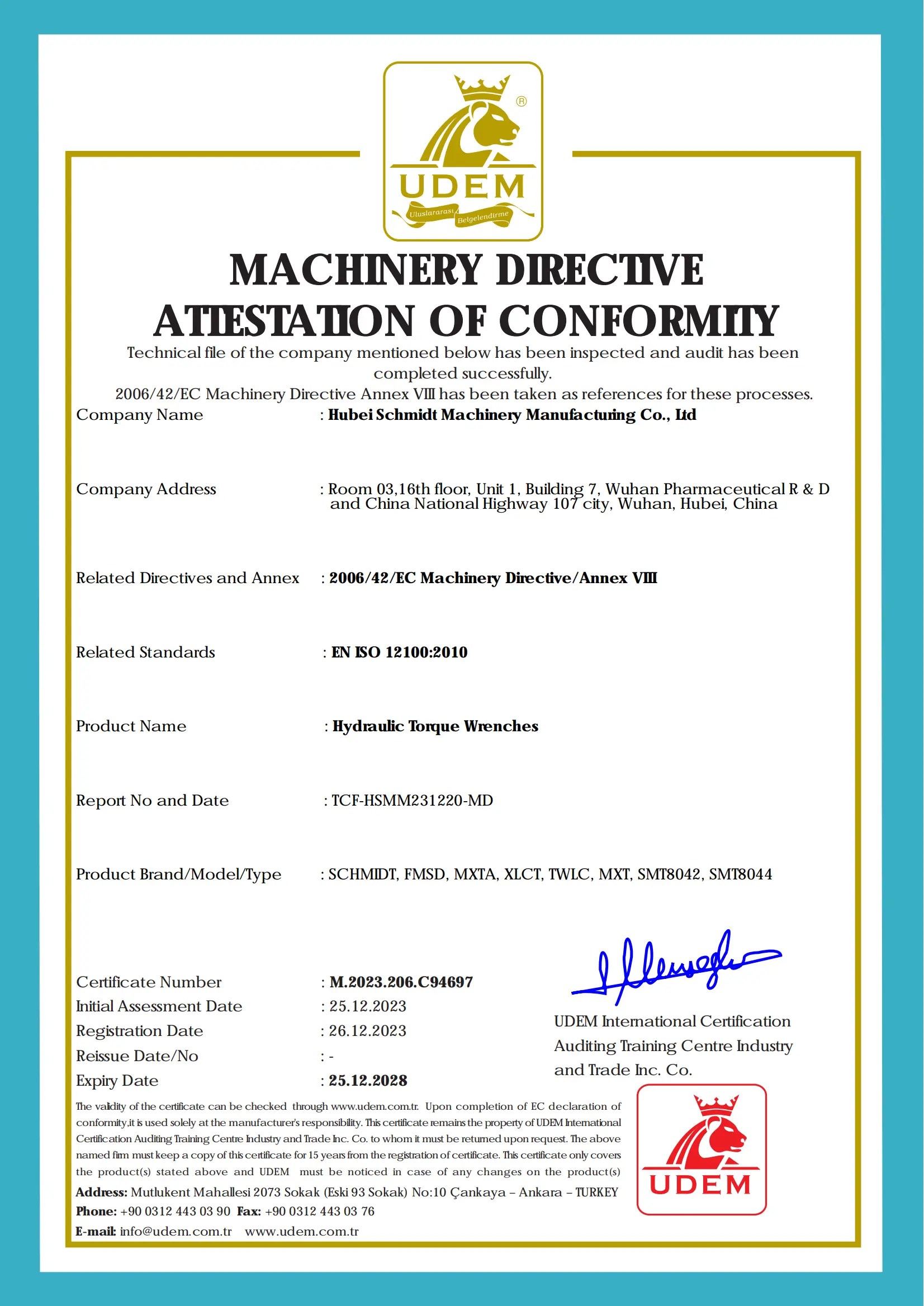
CE
global certified hydraulic tool supplier
Certified Excellence, Globally Trusted: As world’s leading hydraulic tool supplier, our commitment to quality and safety is reflected through international certifications, ensuring every hydraulic tool meets the highest standards of performance and reliability for your industry and projects.
industries with schmidt
Reliable Hydraulic Force. Driving 200+ Projects Since 2011.
Trusted by
Top Industry Leaders










Production Strength
Schmidt's hydraulic tools are engineered for industrial excellence, leveraging large-scale production facilities with an annual output of 2,000+ units. Our advanced precision engineering, rigorous quality control, and seamless supply chain ensure unmatched reliability for global industries—from infrastructure to energy.

Global Marketing
Our hydraulic products are exported to enterprises across Southeast Asia, North and South America, the Middle East, and Africa. Renowned for their precision, durability, and stable supply, these tools have fostered long-term partnerships that drive progress in global industries.
recent blog
FSH14 Flange: What Applications Is It Designed For? A Practical Guide
Flanged connections are an important part of many industrial mechanical systems. They allow pipes,...
SW14.5TI Flange: What Is It Used For? Applications, Features, and Selection Guide
Flanged connections are widely used in industrial piping and mechanical systems because they...
FA9TE Flange: What Applications Is It Used For? Can It Be Used in the Mining Industry?
Flanges are widely used in industrial equipment and piping systems to create secure and...
Why Do People Choose to Use Enerpac HM Series Bolt Tensioners?
In heavy industries such as oil and gas, petrochemical, power generation, wind energy, mining, and...
Torcup Hydraulic Torque Wrench TX Series: Why Do So Many Professionals Choose It?
In industries such as oil and gas, power generation, mining, petrochemicals, and wind energy,...
Enerpac Flange Pulling Tool SG4TM: Can It Be Used in the Oil and Gas Industry?
The oil and gas industry relies on thousands of bolted flange connections to safely transport...
Contact Info
Call
+(86) 13986292753
Address
Qizhigou Cube City, Building 3, Room 2204, Wuhan, Hubei, China
