
Chemical pressure vessels are essential components in chemical processing plants, petrochemical facilities, and other industrial environments. During routine maintenance, inspection, or equipment replacement, technicians may need to separate bolted flange connections to access internal components, replace gaskets, or repair connected equipment.
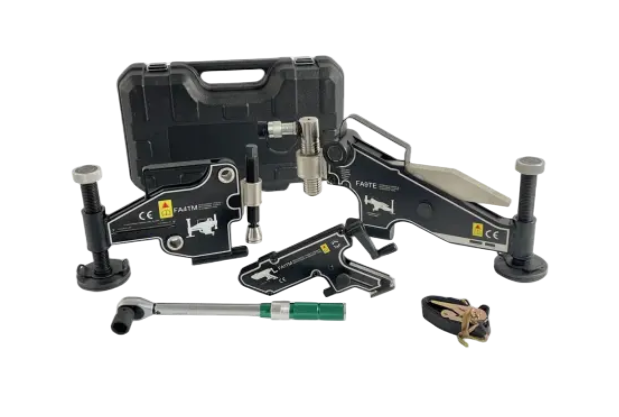
In these situations, a suitable hydraulic flange spreader can help create the necessary working gap between flange faces in a controlled manner. The SWI20/25TE flange spreader can be considered for flange maintenance tasks where its specifications match the connection design and site requirements.
This article explores how flange spreaders are used in chemical pressure vessel maintenance, why controlled flange separation matters, and what engineers should consider when selecting a suitable tool.
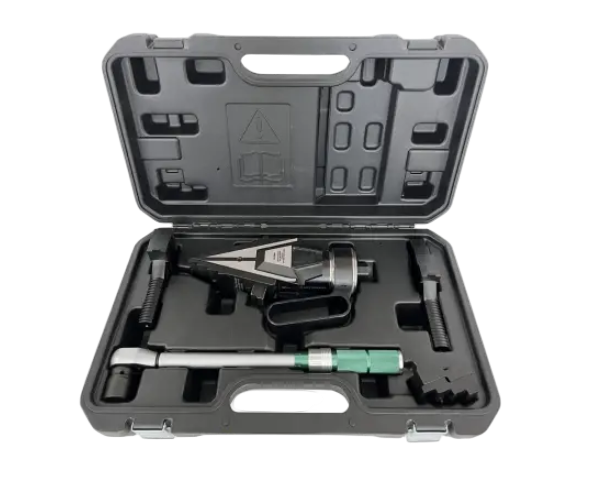
What Is a Flange Spreader?
A flange spreader is a mechanical or hydraulic tool designed to separate two connected flange faces by creating a controlled gap between them. It is commonly used during industrial maintenance when a bolted connection needs to be opened for inspection, cleaning, gasket replacement, or component removal.
In chemical processing systems, flanges connect pressure vessels with pipes, valves, heat exchangers, and other process equipment. Over time, these connections may need to be opened because of scheduled inspections, leakage investigations, gasket deterioration, or equipment repairs.
A flange spreader can help maintenance personnel separate suitable flange connections without relying on uncontrolled methods such as hammering or using improvised wedges.
The appropriate tool depends on the flange configuration, available access, required separation, and the manufacturer’s specified operating limits.
Why Is a Flange Spreader Important for Chemical Pressure Vessel Maintenance?
Chemical pressure vessel maintenance often involves heavy components, multiple bolted connections, and limited working space. Separating a flange connection manually can be difficult, especially when the joint has remained assembled for an extended period.
A suitable flange spreader offers several practical benefits.
1. Controlled Flange Separation
A flange spreader applies a spreading force to create a gap between compatible flange faces. This helps technicians gain access to the joint during planned maintenance.
Controlled separation is particularly important when the flange assembly is heavy or difficult to handle. However, the tool must be selected and positioned according to its rated capacity and the specific flange design.
2. Easier Gasket Replacement
Gaskets are important sealing components in pressure vessel and process piping connections. They may need replacement during scheduled maintenance or when inspection identifies deterioration.
Once the connection has been safely isolated and the bolts have been removed as required by the approved procedure, a flange spreader may help create sufficient access for gasket removal and installation.
The required opening must remain within the tool’s permitted working range and the equipment manufacturer’s instructions.
3. Improved Maintenance Efficiency
Industrial maintenance schedules can be demanding, particularly when several flange connections require inspection during a planned shutdown.
Using an appropriate flange separation tool can reduce dependence on manual prying methods and help technicians perform repetitive maintenance tasks more efficiently.
Actual time savings depend on the flange design, site access, equipment condition, and maintenance procedure.
Applications of the SWI20/25TE Flange Spreader
The suitability of the SWI20/25TE depends on its verified technical specifications and compatibility with the flange being serviced. Where the tool is appropriate for the application, the following maintenance scenarios may be relevant.
1. Pressure Vessel Inspection
Pressure vessels may require periodic inspection to assess their internal condition, identify corrosion, or evaluate components exposed to process fluids.
When inspection requires opening a bolted cover or a compatible flange-connected assembly, a flange spreader may help technicians establish access after the connection has been properly isolated and dismantled according to the approved procedure.
Before work begins, confirm that the tool is suitable for the specific flange geometry and that the vessel has been safely depressurized and prepared for maintenance.
2. Chemical Reactor Maintenance
Chemical reactors may contain internal components that require cleaning, inspection, or replacement. Depending on the equipment design, maintenance can involve opening flange-connected covers, piping, or auxiliary systems.
A suitable flange spreader can assist with separating compatible connections during these operations.
Because reactor systems may contain corrosive, toxic, or flammable substances, equipment isolation, decontamination, and verification of safe working conditions must take priority over tool selection.
3. Heat Exchanger Maintenance
Heat exchangers are widely used in chemical plants to transfer heat between process streams. Their maintenance may require opening covers or disconnecting associated piping and equipment.
When flange connections need to be separated, an appropriate flange spreader can help create access for gasket replacement and inspection.
The tool must be matched to the actual flange configuration, particularly where surrounding pipes, supports, or structural components restrict access.
4. Process Piping and Valve Connections
Pressure vessels are often connected to valves, pumps, and process pipelines through bolted flanges. During maintenance, technicians may need to open these joints to replace valves, inspect sealing surfaces, or modify connected equipment.
A compatible flange spreader can support these tasks by providing controlled separation.
Before selecting the SWI20/25TE, check the available working space, flange thickness, access points, and permitted separation range. Do not assume that one tool is suitable for every flange size or design.
How Does a Hydraulic Flange Spreader Work?
Hydraulic flange spreaders use hydraulic force to drive a spreading mechanism between compatible flange faces. Depending on the design, the tool may use a wedge or another spreading element to create separation.
The general maintenance process involves several stages:
- Prepare the equipment. Isolate the relevant system, verify zero pressure, drain or purge it as required, and confirm that the work area is safe.
- Inspect the flange connection. Review the flange design, tool access, surface condition, and manufacturer’s compatibility requirements.
- Prepare the bolted joint. Follow the approved procedure for loosening and removing bolts. The joint must be adequately supported before separation begins.
- Position the spreader. Install the tool at the designated location in accordance with its operating instructions.
- Apply spreading force gradually. Operate the tool within its specified limits and monitor the flange connection for unexpected movement or damage.
- Complete the maintenance task. Once safe access has been established, perform the required inspection, cleaning, repair, or gasket replacement.
- Remove the tool safely. Release the hydraulic force according to the manufacturer’s instructions and confirm that the equipment is ready for the next maintenance stage.
This is a general overview rather than a model-specific operating procedure. Always follow the SWI20/25TE manufacturer’s instructions and the site’s approved maintenance method.
What Should You Check Before Choosing the SWI20/25TE?
Selecting a flange spreader requires more than matching the tool to a product name or nominal flange size.
Flange compatibility: Confirm the flange type, dimensions, thickness, and available insertion points. The tool must be suitable for the actual connection geometry.
Spreading capacity: Verify the tool’s rated spreading force and ensure it meets the application requirements without exceeding the allowable limits.
Spreading distance: Check the permitted working travel and the gap required for the maintenance task. Do not force the flange beyond the specified range.
Access conditions: Chemical plants often contain dense piping arrangements and nearby equipment. Confirm that the tool can be positioned and operated safely in the available space.
Working environment: Consider corrosion, contamination, temperature, and any hazardous-area requirements. Verify that the equipment is suitable for the specific site conditions.
Documentation and support: Review the technical datasheet, operating manual, inspection requirements, and available technical assistance before purchasing.
These checks help reduce the risk of selecting a tool that cannot safely perform the intended task.
Safety Considerations for Pressure Vessel Flange Separation
Pressure vessel maintenance requires strict control of stored energy and hazardous substances. A flange spreader must never be used to compensate for inadequate equipment preparation.
Before opening a connection, technicians should verify isolation, depressurization, drainage, and decontamination as required by the process and site procedures. Any trapped pressure or hazardous residue must be addressed before the joint is disturbed.
Other essential precautions include:
- Use only tools rated for the intended application.
- Inspect the spreader, hydraulic components, and contact surfaces before use.
- Follow the specified positioning and operating procedures.
- Keep hands and other body parts away from pinch points.
- Do not exceed the tool’s rated capacity or working travel.
- Never use improvised extensions or unauthorized modifications.
- Support heavy components and control movement during separation.
- Stop immediately if the flange, tool, or surrounding equipment moves unexpectedly.
A flange spreader is a maintenance tool, not a substitute for proper isolation, engineering assessment, or safe work procedures.
Conclusion
The SWI20/25TE flange spreader may be relevant to chemical pressure vessel maintenance tasks involving compatible flange connections, including inspection access, gasket replacement, reactor maintenance, heat exchanger servicing, and process piping repairs.
Its suitability should be confirmed against the actual flange geometry, required spreading force, working travel, available access, and site safety requirements. Correct tool selection, controlled operation, and proper equipment preparation are essential for safe and efficient flange maintenance.
For chemical processing facilities, choosing a suitable flange spreader can help maintenance teams approach flange separation in a more controlled and organized way while supporting the broader goal of reliable equipment maintenance.
If you are evaluating the SWI20/25TE for a chemical pressure vessel application, review the manufacturer’s technical specifications and operating instructions before making a final selection. Matching the tool to the actual working conditions is the most reliable starting point for a safe and effective maintenance solution.
