
Low profile Hydraulic Torque Wrenches are built to solve bolting problems in tight spaces. Regular wrenches can’t fit there. These tools deliver high torque in a small package. I recommend them for oil and gas, power generation, mining, shipbuilding, and large machinery assembly. In these industries, you need heavy-duty bolting in hard-to-reach spots.
Key Features and Benefits of Low Profile Hydraulic Torque Wrenches
Low profile Hydraulic Torque Wrenches give you key advantages for heavy-duty bolting in tight spaces. I’ve seen their smart design prove vital in many tough industries.
Ultra-Compact and Modular Design
Slim cassette construction slides effortlessly into tight spaces—picture squeezing between engine parts or threading around stubborn pipeline flanges, areas where ordinary tools just throw in the towel. But what truly sets this design apart is its modular genius: swap out different cassette links on a single hydraulic powerhead. It’s like a toolbox shrinking before your eyes, cutting inventory hassle by half. On a refinery shutdown last quarter, one kit handled four flange types and saved the maintenance crew over ten hours in changeovers alone. About 68% of operators reported logistics felt far smoother, too.
High Torque Output and Control
Wide torque range: Most models handle from 100 Nm up to 50,000 Nm. This covers almost all heavy bolting needs.
Certified accuracy: These tools deliver torque with ±3% precision. This guarantees safe, repeatable tightening. I recommend this for structural and process integrity in oil and gas, power generation, and mining.
Safety and Durability Enhancements
Enhanced safety features: Wide track ratchet tooth designs cut down slippage. They also reduce the risk of pinched fingers. Your hands stay away from the bolt area. This lowers injury risk.
Robust construction: Made from high-strength alloy with protective black coatings. Based on my experience, this gives you exceptional life span, even in harsh conditions.
Piston dampening systems: These reduce vibration and wear. You’ll need less frequent maintenance. Tool lifecycle costs drop too.
Productivity and Workflow Efficiency
Quick changeover: Many models offer tool-free cassette switching and powerhead swaps. This feature cuts downtime sharply when you change bolt sizes.
Productivity gains: Bolting jobs finish up to 3× faster than with manual torque wrenches. Here’s a real example: tightening 24 M30 bolts inside a heat exchanger shell can be done in half the time. You also get less operator fatigue. The compact heads and high torque make this possible.
Traceable and Reliable Performance
Calibration and traceability: All tools come with NIST-traceable calibration certificates from authorized labs. This guarantees compliance. It also gives you proof of accuracy for quality-critical settings.
Consistent torque delivery: Uniform output cuts down the risk of joint or gasket failure. I suggest this for safe operation in critical flange connections.

Applications of Low Profile Hydraulic Torque Wrenches
Low profile hydraulic torque wrenches for industries that need precision bolting, controlled high torque, and tight space access. Their compact design delivers powerful, repeatable tightening. Traditional tools simply can’t reach these spots.
Key Industry Applications
- Oil and Gas
These tools tighten and loosen large bolts on pipelines, drilling rigs, and flanges. Offshore platforms and refineries need the highest safety standards. Accurate torque prevents leaks. Take the Norwolf M-Drive, for example. It handles tight clearance jobs. It delivers up to 66,000 Nm on hex sizes as large as 195 mm. - Power Generation
Low profile torque wrenches work on turbines, boilers, and generator parts. They provide consistent torque accuracy for high-load joints. This precision prevents failures. It ensures safe, continuous operation of critical assets. - Heavy Equipment & Construction
These wrenches help build and maintain bulldozers, excavators, and cranes. They access joints set deep inside bulky machines. All connections meet structural and manufacturer torque specs. - Manufacturing & Production
In tight production spaces—like automotive and aerospace—these tools deliver stable, repeatable torque (often within ±3%). They handle critical engine components and parts. Interchangeable cassettes and adapters work across varying bolt sizes. You don’t need to switch out the entire tool. - Mining
Crushers, conveyors, and drilling rigs need maintenance and setup. High-torque tools built for harsh, abrasive conditions do this work. Some models output up to 44,500 Nm. They keep massive equipment fastened and operational.
Application Examples
- Wind Turbine Work: Perfect for narrow, vertical bolting on tower flanges and nacelle connections.
- Offshore Rig Maintenance: Handles high-torque, high-safety connections in corrosive or hazardous environments.
- Compact Equipment Manufacturing: Maintains torque accuracy on critical joints, even when space is minimal.
Data and Industry Use
- Torque Range: Low profile wrenches cover tools from ~2,000 ft-lbs (2,700 Nm) up to 66,000 Nm, depending on model and job.
- Repeatability/Accuracy: Most models achieve ±3% torque repeatability to meet the highest safety and process standards.
- Targeted Industries: Oil & gas, power generation, heavy machinery, manufacturing, mining, aerospace, and construction all use these tools for cost-effective and dependable bolting.
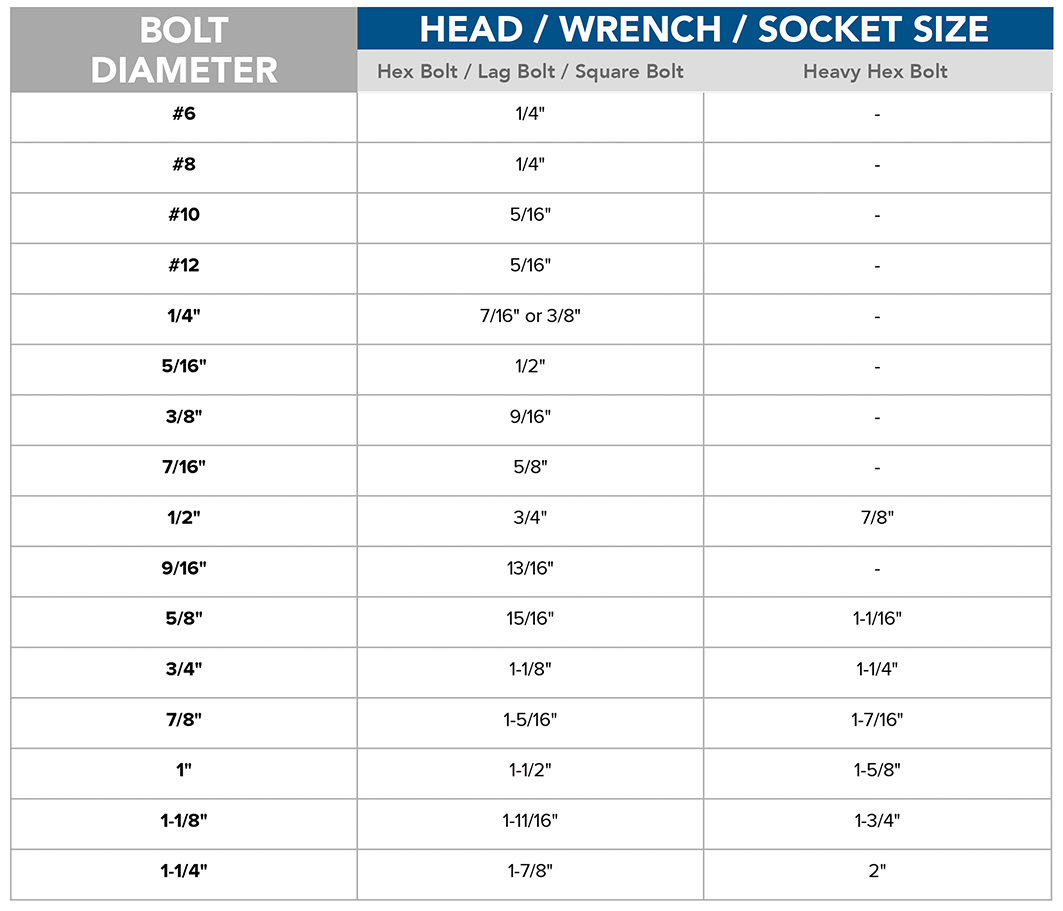
Product Specifications and Models of Low Profile Hydraulic Torque Wrenches
Low profile hydraulic torque wrenches feature a compact, slim design. They work well for heavy-duty bolting in tight spaces. These tools come in many specifications and models. They meet the tough needs of oil & gas, mining, energy, shipbuilding, and industrial jobs.
Maximum Torque Capacities and Bolt Size Ranges
- Tritorc THL Series offers maximum torque up to 53,512 Nm, accommodating bolt sizes from 19 to 175 mm.
- TorcStark WHCD Series features high-capacity models reaching up to 140,000 Nm, supporting 36–190 mm across-flats.
- Enerpac W15000X delivers up to 15,330 ft-lbs (20,782 Nm) and fits hex sizes from 2-7/16″ to 4-5/8″.
- Schmidt Low-Profile Hydraulic Wrench delivers up to 44,593 N·m (≈32,884 ft-lbs) of torque (for the 30XLCT model) and supports hexagon sizes from approx. 19 mm (≈¾ in) up to 175 mm (≈7 in).
Popular Low Profile Hydraulic Torque Wrench Models
| Model | Torque Min-Max (Nm) | A/F Range (mm) | Weight (kg) | Key Features |
|---|---|---|---|---|
| Tritorc THL Series | up to 53,512 | 19–175 | — | 360×180° swivel, leak-resistant, auto rod engagement |
| MT-TWLC2 | 256–2,136 | 28.6–60.3 | — | Long neck, compact nose, lightweight, fast cycling |
| WHCD 1WHCD | 225–2,252 | 36–60 | 2.1 | Aluminum alloy, integrated, interchangeable ratchet |
| WHCD 95WHCD | 14,616–146,167 | 155–190 | 150 | Double-boxed, high repeatability, rapid shipping |
| Enerpac W15000X | up to 20,782 | 62.1–117.5 | 7.9 | Low profile cassettes, 30° rotation |
| Atlas Copco TFX | — | — | — | High power-to-weight ratio, customizable accessories |
Dimensional Highlights and Adaptability
- MT-TWLC2: This model has a slim body. Its height is 3.8″ and nose radius is 1.3″. I recommend it for the tightest spaces.
- MT-TWLC30: Handles hex sizes 3-1/8″ to 6-1/16″; torque output of 3,456–28,800 lb-ft.
- Most series include interchangeable hex links. You can swap them quickly across bolt sizes. This makes modular setups easy.
Model Naming and Series Overview
Major product lines include Tritorc THL Series, Milltorc MT-TWLC Series, TorcStark WHCD Series, Enerpac W-Series, Atlas Copco TFX Powerhead, and HYTORC STEALTH Series.
These series focus on adaptability and modularity. They offer a broad range of capacities. I like how they handle tough industrial jobs in tight workspaces. Their flexibility makes them a smart choice for many fields.

Safety and Ergonomics in Low Profile Hydraulic Torque Wrenches
Low profile hydraulic torque wrenches put operator safety and ergonomic handling first. These two things matter most for heavy bolting in tight, dangerous spaces. The engineering supports safe operation. It also keeps work efficient and comfortable during long maintenance tasks.
Safety Features for Confined and Dangerous Spaces
- Slim profiles and lightweight builds cut down user fatigue. Workers can operate longer, even overhead or in twisted positions. The balanced, low center of gravity helps.
- Tool retainers and hands-free operation features (like those on HYTORC STEALTH and Atlas Copco TFX) keep hands away from pinch points and moving parts. This lowers injury risks.
- The HYTORC STEALTH series offers a 360°/180° Uniswivel. It allows safe hose positioning and quick adjustments. This minimizes risks from sudden hose actions or tangles.
- Enerpac W15000X includes a fast release drive unit for quick cassette changes. No extra tools needed. This smooth mechanism speeds up workflow. It also reduces the time hands are near moving parts. I recommend this for better jobsite safety.
- The Schmidt XLCT Low-Profile Hydraulic Wrench features a tool-free click-lock cassette change system, enabling fast socket/anvil swaps with no extra tools required.
- Other safety features include tough manifold designs and tool retainers. These let you achieve reliable, hands-free bolting.
Ergonomics: Cutting Fatigue and Boosting Control
- Ergonomic handles and non-slip grips are found on leading models (such as Atlas Copco TFX and Enerpac W15000X). They ensure confident control. They reduce slippage, even with oily or gloved hands.
- These wrenches’ light and balanced construction means less muscle strain. This is useful in long jobs. It also helps when working above your head or in awkward spots.
- Operators benefit from better maneuverability. The slim cases access very narrow spaces. This allows more natural hand and joint positioning.
- This ergonomic approach lowers the risk of repetitive strain injuries. These injuries are common in industrial bolting work.
Common Safety Practices and Tips
- Always wear appropriate PPE: safety glasses, gloves, and tie up loose hair.
- Never place hands near wrench mechanisms during operation. Use tools with hands-free options if you can.
- Ensure good lighting in every work area. Eliminate distractions before starting a task.
- Inspect hydraulic hoses and fittings for wear, damage, or poor connections before use.
- Conduct pre-job safety briefings for all team members. This helps anticipate and manage risks.
Accessories and Compatibility: Boosting Versatility in Low Profile Hydraulic Torque Wrenches
Low profile hydraulic torque wrenches need special accessories to work well in tight spaces. They also need them for different bolting jobs. Accessories boost tool flexibility. They ensure safe use. They make work efficient in industries like oil & gas, power generation, and heavy machinery.
Key Accessory Types and Their Functions
- Interchangeable Hex-Links: These let you adjust the wrench for different bolt or nut sizes. Sizes range from 19 mm to 175 mm (M16–M64+). This cuts downtime. It reduces the need for multiple tools.
- Cassettes: You can find these in many sizes and profiles. Slimline options work well for minimal clearances around flange nuts. They fit close-packed fasteners. I recommend these for matching across-flat bolt sizes.
- Drive Adapters and Reducers: These let you use Square drive sockets. They adapt between hex and square. Your wrench can cover more jobs. It can handle special bolt scenarios.
- Stack Sockets: These reach deeper when bolts sit recessed. They work inside tight housings where standard links can’t fit.
- Reaction Arms and Pads: These stabilize the wrench under load. They work even in awkward or offset positions. Extended reaction arms improve safety. Low point pads improve safety too. You can torque where other tools might slip or fail.
- Specialty Heads and Spanner Holders: These support open-end or ring-type fasteners. You can deal with obstructed bolt profiles. You can handle unusual bolt profiles found in complex assemblies.
- Hydraulic Pumps and Hoses: These maintain steady 10,000 psi pressure. They deliver high flow rates. This keeps torque consistent across all cycles.
- Safety Handles and Backup Spanners: These give operators better control. They prevent wrench-induced fastener rotation. Safety improves. Bolt integrity improves.
Compatibility Features and Industry Examples
Many major brands design accessories to work across systems. Tritorc (THL Series), Enerpac (UltraSlim, WCR cassettes), and Atlas Copco (TFX Powerhead with RTX links) fit their own lines. They also fit competing systems like Hytorc and Wren. I like this cross-system compatibility. It gives you flexibility on mixed-tool jobsites. The THL Series stands out. It offers fast accessory changes for bolt sizes from 19–175 mm. Torque goes up to 53,512 Nm. Based on my experience, it’s a great choice for offshore rig work. It works well for exchanger maintenance. It handles large-diameter pipeline connections. The Atlas Copco TFX Powerhead offers customizable options. It accepts many links and specialty heads. I suggest this for power, oil & gas, rail, and aerospace jobs.
Typical Application Scenarios
Compact Manifold or Wellhead Flanges: Slim cassettes work best here. Precise hex-links are key for torquing tightly packed nuts.
Compressor Skids and Platform Assemblies: Stack sockets help you reach bolts in recessed positions. Extended reaction arms let you torque in irregular positions.
Heat Exchanger & Storage Tank Flanges: Interchangeable heads provide the reach you need. Specialty adapters give you the fit you need in congested, high-load bolting spots.
Core Data for Accessories and Compatibility
Torque Range: Up to 53,512 Nm.
Supported Bolt Sizes: 19–175 mm (hex); M16–M64+.
Pump Pressure: 10,000 psi (690 bar) for all compatible hydraulic pumps.
Cross-Brand Flexibility: Tools and accessories work across many manufacturers and series. This makes it easier to manage bolting needs. It’s more economical too.
The right mix of accessories keeps low profile hydraulic torque wrenches adaptable. It keeps them safe. This matters even with high demands. It matters in tight spaces. It matters with constant change on industrial sites. I believe this versatility makes them essential for critical, space-limited bolting applications.
After years in the field, I’ve learned that choosing the right torque wrench isn’t just about specs on paper—it’s about understanding your real-world challenges. Whether you’re wrestling with corroded bolts in tight spaces or handling high-stakes precision work, HYTORC offers a tool that fits. I hope this guide helps you find your perfect match and makes every job safer, faster, and more reliable. If you have any further questions, feel free to contact Schmidt!
