
In modern industrial facilities, flange connections are widely used to connect pipelines, valves, pumps, pressure equipment, and other mechanical components. Although these connections are designed to provide reliable sealing and structural stability, they eventually require maintenance, inspection, or replacement.
Separating tightly connected flange faces can be challenging, especially when dealing with large equipment, heavy components, or joints that have remained assembled for a long time. Traditional methods may require considerable manual effort and can introduce unnecessary risks if unsuitable tools are used.
The SWI20/25TI flange spreader is a hydraulic flange separation solution worth considering for industrial maintenance applications where its specifications match the working conditions. This article explores the role of flange spreaders across different industries, their practical applications, and the factors engineers should consider when selecting the right equipment.
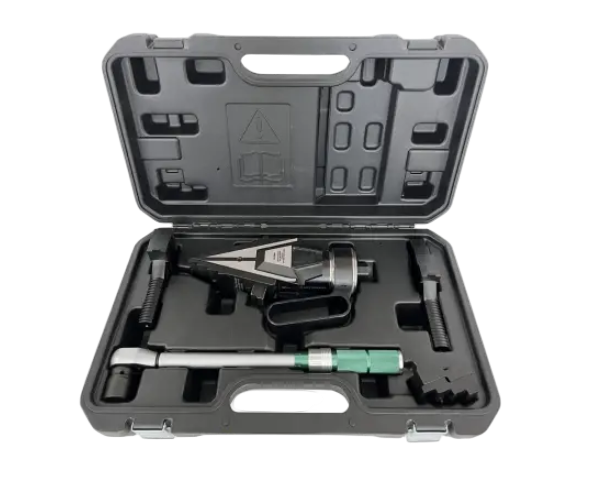
What Is a Hydraulic Flange Spreader?
A hydraulic flange spreader is a specialized maintenance tool designed to separate compatible flange connections by applying controlled spreading force between flange faces.
It is commonly used when technicians need to access a bolted joint for gasket replacement, inspection, cleaning, or component removal.
Compared with improvised separation methods, a properly selected hydraulic flange spreader provides a more controlled approach to opening suitable connections. Depending on its design, the tool may use hydraulic pressure to drive a spreading mechanism, such as a wedge, into the designated flange gap.
The SWI20/25TI can be evaluated for industrial flange maintenance tasks based on its verified technical specifications, including its spreading capacity, working range, and compatibility with the flange configuration.
Key Industrial Applications of the SWI20/25TI Flange Spreader
Flange connections are found in many industrial sectors. The following are typical application areas where a suitable hydraulic flange spreader may support maintenance operations.
1. Oil and Gas Industry
The oil and gas industry relies heavily on interconnected pipelines, valves, pumps, separators, and processing equipment. Many of these components use bolted flange connections to maintain sealed joints.
During scheduled maintenance, technicians may need to separate pipeline flanges to replace gaskets, inspect sealing surfaces, or remove valves and other components.
A suitable hydraulic flange spreader can help establish the required working gap after the connection has been properly isolated and prepared.
Typical maintenance tasks include:
- Pipeline flange inspection and gasket replacement
- Valve removal and installation
- Maintenance of pump and process equipment connections
- Inspection of compatible bolted joints in processing facilities
Because oil and gas facilities may contain flammable gases and hazardous substances, tool suitability for the specific work area must be confirmed. Equipment isolation, depressurization, and compliance with site safety procedures are essential.
2. Power Generation Industry
Power plants contain extensive piping systems and equipment connections that require regular inspection and maintenance. Flanges can be found in cooling water systems, steam-related equipment, pumps, valves, and auxiliary pipelines.
During maintenance shutdowns, technicians may need to open flange connections to inspect internal components or replace sealing materials.
A suitable flange spreader can help with compatible flange separation tasks, particularly when controlled access is needed for maintenance.
In power generation facilities, the condition of flange connections can influence equipment reliability. Proper separation and careful handling help reduce the risk of unnecessary damage to flange faces during maintenance.
3. Shipbuilding and Marine Industry
Ships and offshore facilities contain complex piping networks that serve cooling, fuel, water, hydraulic, and other systems.
Because equipment is often installed within compact machinery spaces, maintenance personnel may encounter difficult flange separation conditions.
A suitable hydraulic flange spreader may assist with opening compatible connections during: Marine pipeline maintenance; Pump and valve replacement; Cooling system inspection; Gasket replacement in engine room piping; Maintenance of auxiliary equipment connections
Before using the tool, technicians should check the surrounding clearance, flange geometry, and available access points. Marine environments also require attention to corrosion, moisture, and equipment condition.
4. Petrochemical and Chemical Processing Plants
Petrochemical and chemical facilities contain reactors, heat exchangers, storage systems, pumps, and extensive process piping.
During scheduled shutdowns, many flange connections may need to be opened for inspection, cleaning, or component replacement.
A hydraulic flange spreader can be useful when the connection design permits its safe installation and operation.
For example, technicians may use a compatible spreader during maintenance of process pipeline connections, heat exchanger assemblies, and valve-connected equipment.
Since process systems may contain corrosive, toxic, or combustible materials, all relevant isolation, drainage, purging, and decontamination procedures must be completed before disturbing a flange joint.
5. Heavy Manufacturing and Industrial Machinery
Large manufacturing facilities use hydraulic systems, cooling circuits, industrial pumps, compressors, and other equipment connected through bolted flanges.
Over time, these connections may require servicing due to equipment wear, leakage, or planned component replacement.
A suitable flange spreader can support maintenance teams when separating compatible connections during equipment servicing.
Its use may help reduce dependence on manual prying methods and make the maintenance process more organized.
However, the actual tool configuration must be checked against the flange dimensions, required separation, and surrounding mechanical structures.
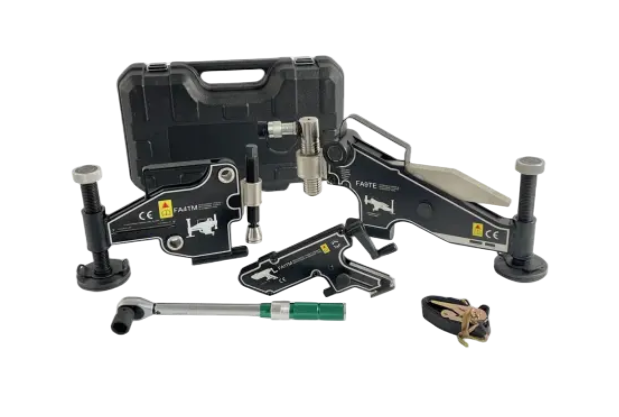
Why Use a Hydraulic Flange Spreader Instead of Improvised Tools?
During flange maintenance, some technicians may be tempted to use hammers, pry bars, or other improvised tools to create a gap between flange faces.
These approaches can be difficult to control and may damage the sealing surfaces or create unpredictable movement.
A properly selected hydraulic flange spreader offers several practical advantages.
Controlled separation: Hydraulic operation allows spreading force to be applied through the tool’s designed mechanism, helping technicians manage the separation process.
Reduced manual effort: The hydraulic system provides the force needed for the operation, reducing dependence on manual hammering or prying.
Improved maintenance efficiency: For compatible flange connections, a dedicated spreader can make it easier to establish access for inspection and gasket replacement.
Purpose-designed operation: A flange spreader is specifically intended for flange separation, unlike general-purpose tools that may not provide suitable contact or force distribution.
These advantages depend on correct tool selection, proper positioning, and compliance with the manufacturer’s operating instructions.
How to Choose the Right Flange Spreader for Industrial Applications
Not every flange spreader is suitable for every industrial connection. Before selecting the SWI20/25TI, engineers and maintenance teams should evaluate several important factors.
Flange Configuration
Check the flange type, dimensions, thickness, and available insertion points. The tool must be compatible with the actual flange design.
Spreading Force and Working Range
Confirm the rated spreading force and maximum working travel against the requirements of the maintenance task. Never exceed the manufacturer’s limits.
Available Working Space
Nearby pipes, supports, valves, and structural components may restrict tool positioning. Measure the available space before choosing a model.
Working Environment
Consider temperature, moisture, corrosion, contamination, and hazardous-area restrictions. The selected tool must be suitable for the specific site conditions.
Maintenance Requirements
Review the operating manual, inspection procedures, hydraulic system requirements, and availability of replacement components or technical support.
A careful evaluation of these factors can help prevent compatibility problems and improve the efficiency of maintenance planning.
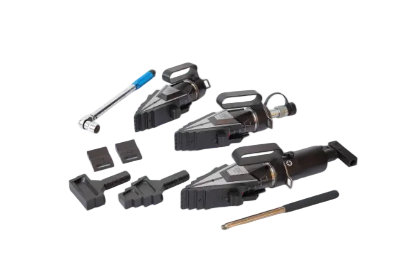
Safety Considerations During Flange Separation
Flange separation involves stored mechanical energy and potentially hazardous process materials. Safety preparation must therefore come before tool operation.
Before beginning work, confirm that the pipeline or equipment has been isolated, depressurized, drained, and cleaned or purged as required by the approved procedure.
Additional precautions include:
- Inspect the flange spreader and hydraulic components before use.
- Confirm that the tool is rated for the intended application.
- Position the tool only at approved contact points.
- Follow the manufacturer’s instructions for hydraulic operation.
- Keep hands away from pinch points and moving components.
- Do not use improvised extensions or unauthorized modifications.
- Ensure that heavy components are properly supported.
- Release hydraulic pressure according to the specified procedure before removing the tool.
For critical industrial connections, a qualified maintenance team should follow the site’s approved work method and relevant engineering requirements.
Conclusion
The SWI20/25TI flange spreader can be considered for a range of industrial maintenance applications where compatible flange connections need to be separated for inspection, gasket replacement, or equipment servicing.
Potential application areas include oil and gas facilities, power plants, marine systems, petrochemical processing plants, and heavy manufacturing operations.
The most important consideration is selecting a tool that matches the actual flange configuration, required spreading force, working travel, and site conditions. Proper preparation and safe operating procedures are equally important.
For industrial maintenance teams, using a suitable hydraulic flange spreader can provide a more controlled approach to flange separation and help support efficient equipment maintenance.
Before choosing the SWI20/25TI, consult its technical datasheet and operating instructions to confirm that it meets the requirements of your specific application.
