
Refineries operate with complex piping networks, pressure equipment, pumps, valves, and heat exchangers. Many of these systems rely on bolted flange connections to maintain secure joints under demanding operating conditions. During installation, scheduled shutdowns, and equipment maintenance, these bolts must be tightened or loosened according to specific engineering requirements.
For large industrial fasteners, conventional hand tools may require considerable physical effort and may not provide the control needed for repetitive bolting operations. A square drive hydraulic torque wrench offers an alternative by using hydraulic power to generate high torque for industrial fastening tasks.
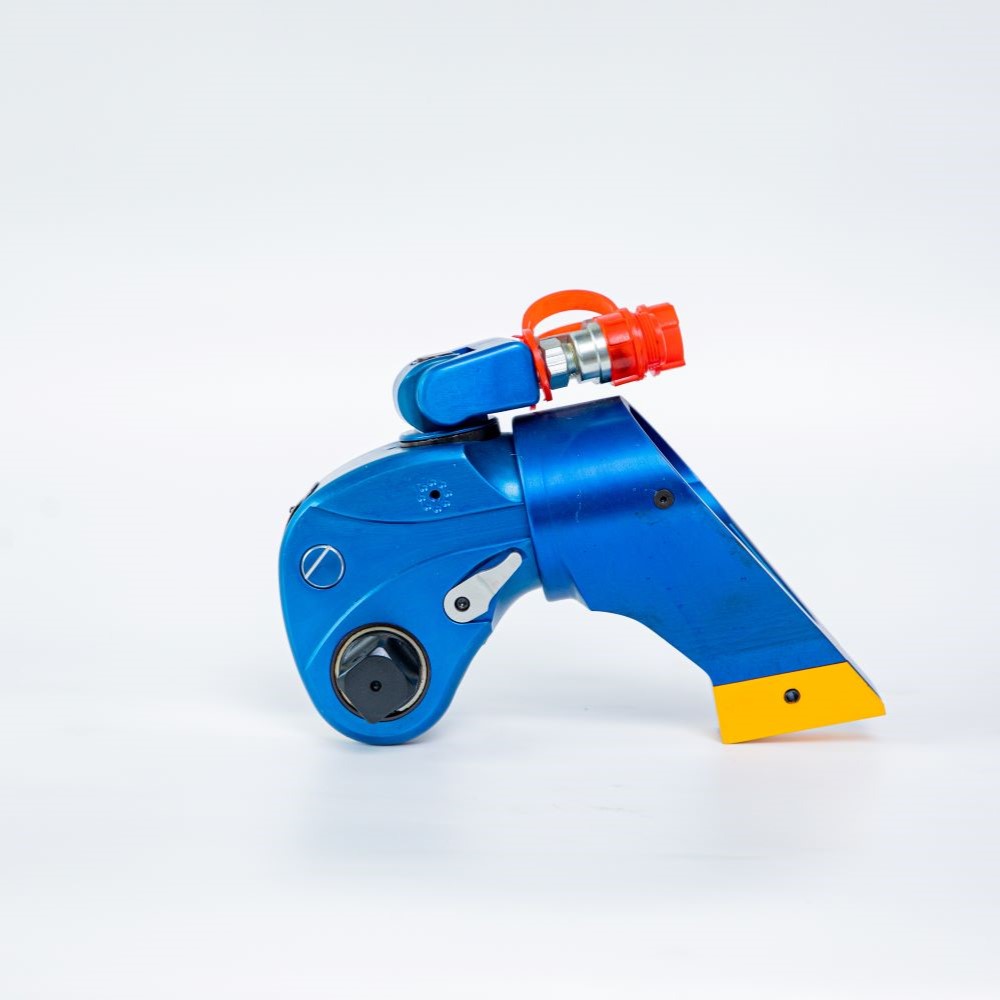
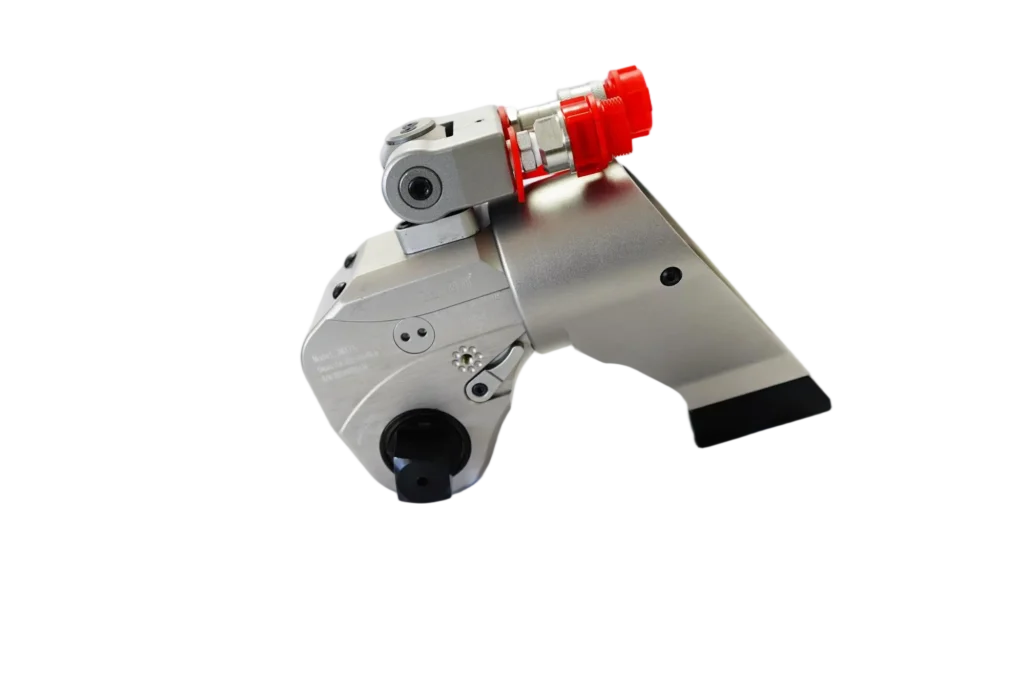
The MXT Series square drive hydraulic torque wrench can be considered for refinery bolting applications where its torque capacity, drive configuration, and operating dimensions match the job requirements. This article explores its potential applications, working principles, selection considerations, and safety practices in refinery environments.
Why Do Refineries Need Hydraulic Torque Wrenches?
A refinery contains numerous bolted connections that must maintain reliable mechanical integrity. These connections can be found in process pipelines, storage systems, pumps, compressors, heat exchangers, and pressure vessels.
Over time, bolts may need to be loosened or retightened because of equipment inspection, gasket replacement, component repair, or scheduled maintenance.
Several challenges make refinery bolting demanding:
- Large-diameter bolts may require high tightening torque.
- Numerous flange connections may need maintenance during shutdown periods.
- Consistent bolt loading is important for reliable gasket sealing.
- Restricted access can make manual tightening difficult.
- Maintenance teams must follow documented bolting procedures.
A hydraulic torque wrench helps address these challenges by providing powered and controlled torque output. When correctly selected and operated, it can improve work efficiency and support repeatable tightening procedures.
What Is a Square Drive Hydraulic Torque Wrench?
A square drive hydraulic torque wrench is a hydraulic-powered tool designed to tighten or loosen threaded fasteners using a compatible square drive socket.
The wrench typically consists of a hydraulic drive unit, a square drive, and a reaction arrangement. It operates with a hydraulic pump that supplies pressurized oil through hoses to the wrench.
The hydraulic pressure drives the internal mechanism, producing rotational force that is transferred to the fastener through the socket.
One important advantage of the square drive configuration is its compatibility with different sockets. By selecting an appropriate socket, operators can work with various nut sizes within the tool’s rated capacity.
The MXT Series can be evaluated for applications where this interchangeable socket configuration is useful. The exact torque range, square drive size, and operating pressure should always be confirmed using the manufacturer’s technical datasheet.
Main MXT Series Applications in Refineries
1. Pipeline Flange Bolting
Refinery piping systems transport crude oil, refined products, steam, gases, and other process media throughout the facility.
These pipelines contain numerous bolted flange connections that require proper assembly and periodic maintenance.
A square drive hydraulic torque wrench can be used to tighten compatible flange bolts according to the specified torque procedure. Its powered operation is particularly useful when multiple fasteners need to be tightened repeatedly.
During flange assembly, technicians should follow the approved tightening sequence to help distribute the load evenly across the connection.
2. Heat Exchanger Maintenance
Heat exchangers are essential components in refinery operations. They transfer heat between process streams and may require regular inspection, cleaning, or maintenance.
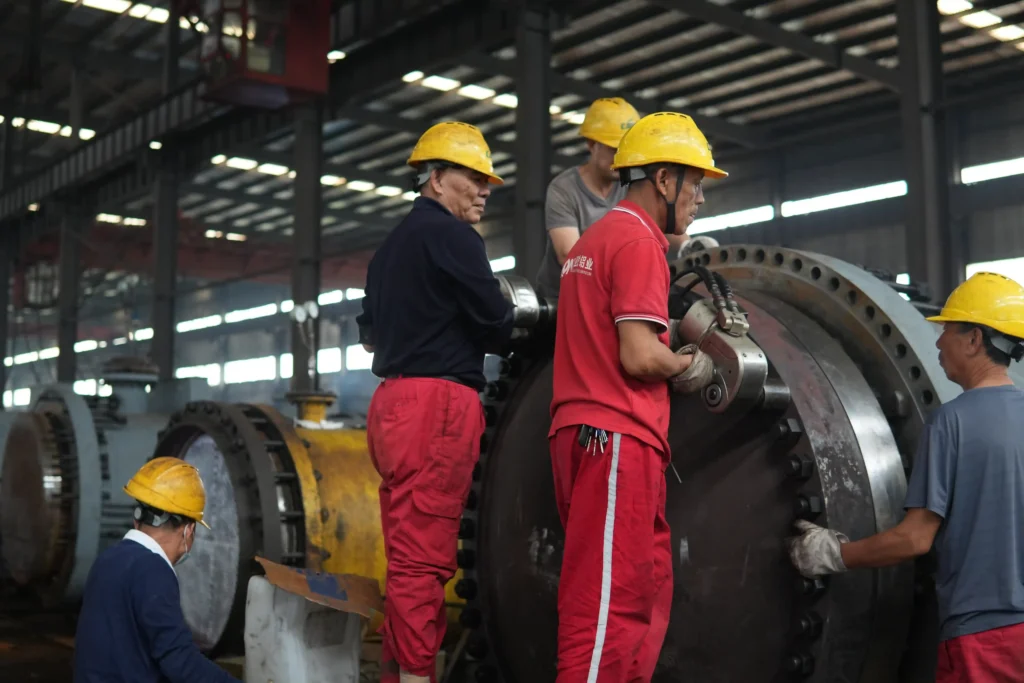
Opening a heat exchanger often involves removing numerous large bolts from covers or connected flange assemblies.
A hydraulic torque wrench can help maintenance teams loosen these fasteners during disassembly and tighten them again during reassembly.
Because heat exchanger connections may have specific gasket and bolt-loading requirements, the torque values and tightening sequence should follow the equipment manufacturer’s instructions or approved engineering procedure.
3. Pump and Compressor Connections
Refineries use pumps and compressors to move fluids and gases through different process systems.
These machines are connected to pipelines and other equipment through bolted joints. During installation or maintenance, technicians may need to work with large fasteners around equipment bases, flanges, and connected components.
The MXT Series may be suitable for compatible bolting tasks where sufficient clearance is available for the wrench, socket, and reaction arm.
Before selecting the tool, engineers should consider the fastener dimensions, required torque, and available working space.
4. Pressure Vessel Maintenance
Pressure vessels are widely used in refinery processes, including separation, storage, and chemical treatment operations.
Their bolted covers and connected flange assemblies may need to be opened for inspection, internal cleaning, gasket replacement, or component repair.
A square drive hydraulic torque wrench can support the tightening and loosening of compatible fasteners during these maintenance activities.
For critical pressure-containing joints, operators must follow the vessel manufacturer’s specifications and applicable engineering procedures. The use of a hydraulic torque wrench does not replace proper bolt-load calculations or joint integrity checks.
5. Valve Installation and Replacement
Industrial valves are installed throughout refinery piping networks to control the flow of process media.
Large valves may have heavy flange connections with multiple bolts. During installation or replacement, these connections require appropriate tightening procedures to achieve reliable assembly.
A hydraulic torque wrench can help apply the required torque to compatible fasteners while reducing the manual effort associated with high-torque work.
The correct socket, reaction arrangement, and tightening sequence should be confirmed before operation.
Square Drive Hydraulic Torque Wrench vs. Manual Torque Tools
Manual torque tools remain useful for smaller fasteners and applications with relatively low torque requirements. However, they may become less practical when refinery maintenance involves large bolts and repetitive fastening operations.
A square drive hydraulic torque wrench offers several advantages:
Reduced physical effort: Hydraulic power generates the required torque, reducing the need for operators to apply force manually through long handles.
High torque capability: Depending on the model, hydraulic wrenches can handle demanding industrial fasteners that exceed the practical working range of many manual tools.
Interchangeable sockets: The square drive configuration allows compatible sockets to be changed for different nut sizes.
Repeatable operation: When the hydraulic system is properly configured and the tool is maintained correctly, operators can apply consistent torque settings across multiple fasteners.
Improved maintenance efficiency: Powered operation can make repetitive bolting tasks more manageable, particularly during scheduled refinery shutdowns.
However, hydraulic torque tools are not automatically the best choice for every connection. Tool geometry, available clearance, torque requirements, and site conditions must all be considered.
How to Select the Right MXT Series Model for Refinery Work
Choosing a hydraulic torque wrench requires more than looking at its maximum torque rating. Several technical factors should be evaluated.
Required Torque Range
Determine the specified torque for the fastener based on the approved bolting procedure. Select a wrench whose operating range covers the required value.
Square Drive Size and Socket Compatibility
Check the nut dimensions and required socket size. Confirm that the selected square drive and socket are compatible with the wrench and rated for the intended torque.
Working Clearance
Refinery equipment can contain dense piping arrangements and structural obstacles. Check whether the wrench, socket, and reaction arm can be positioned safely around the fastener.
Hydraulic Pump Compatibility
The hydraulic pump must meet the wrench manufacturer’s requirements for working pressure, oil flow, hose connections, and system configuration.
Operating Environment
Refineries may contain combustible gases, flammable liquids, high temperatures, and other hazardous conditions. Confirm that the complete tool system is suitable for the specific work area and its safety classification.
Maintenance and Technical Support
Consider the availability of replacement parts, technical documentation, inspection procedures, and operator training. These factors can influence the long-term reliability of the equipment.
Safety Considerations for Hydraulic Bolting in Refineries
Hydraulic torque wrenches generate substantial forces. Safe operation requires trained personnel and a suitable maintenance procedure.
Before using the MXT Series, operators should inspect the wrench, sockets, hydraulic hoses, couplings, and reaction components for damage or wear.
The reaction arm must be positioned against an appropriate supporting surface. Never hold the reaction point by hand or use improvised extensions.
Additional precautions include:
- Verify that the equipment is isolated and safe to work on.
- Follow the refinery’s permit-to-work and lockout/tagout procedures.
- Use only compatible and correctly rated hydraulic components.
- Keep hands away from pinch points during operation.
- Never exceed the specified hydraulic pressure or torque limits.
- Release hydraulic pressure before adjusting or disconnecting the system.
- Follow the approved tightening sequence and document critical bolting work.
Special attention should be given to hazardous-area requirements. Standard hydraulic operation does not automatically mean that every associated component is approved for use in a classified hazardous location. Site safety requirements must be checked before selecting the equipment.
Conclusion
The MXT Series square drive hydraulic torque wrench can be considered for a variety of refinery bolting applications, including pipeline flange assembly, heat exchanger maintenance, pump and compressor connections, pressure vessel servicing, and valve installation.
Its square drive configuration offers socket flexibility, while hydraulic power helps maintenance teams handle demanding torque requirements with reduced manual effort.
However, successful refinery bolting depends on more than the wrench itself. Correct torque selection, compatible sockets, suitable reaction arrangements, hydraulic system configuration, and approved tightening procedures all contribute to reliable results.
For refinery engineers and maintenance professionals, evaluating these factors before selecting a hydraulic torque wrench can help improve bolting efficiency and support safe, consistent equipment maintenance.
